


Living in Austin, Texas

Explore Austin by area, neighborhood character, lifestyle, and local insight to help you narrow down which part of the city may fit you best.
Why People Consider Austin
Austin gives buyers a lot of different ways to live, which is both the opportunity and the challenge. Some people want established neighborhoods and mature trees. Others want stronger access to major job centers, parks, trails, shopping, or a more suburban-style feel while still staying in the city. And depending on where you look, Austin can feel scenic, practical, tucked away, highly connected, or much more urban.
That is why Austin is usually more helpful to understand by area than as one giant market. This page is designed to help you quickly sort through the major parts of Austin that may fit your goals best, then click into the more detailed community pages underneath.
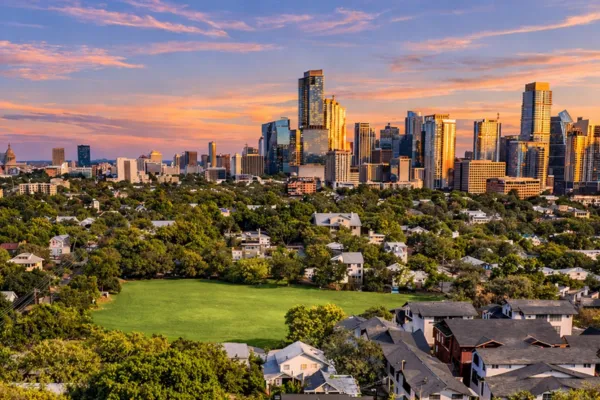
Austin is Best Understood by Area
The city is too broad to treat as one uniform place. A buyer looking at Northwest Austin is usually not looking for the same thing as someone focused on Central Austin, South Austin, or a more urbanizing district like North Burnet / Domain / Gateway. The best way to use this page is to start with the part of Austin that seems closest to your lifestyle, commute, budget, and neighborhood preferences, then go deeper from there.
Browse Austin by Area
Start with the part of Austin that feels most aligned with what you want, then explore the neighborhoods inside it.
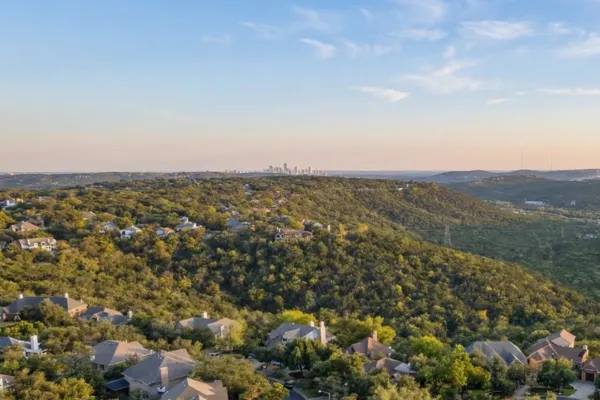
Known for established neighborhoods, mature trees, practical convenience, and a more rooted residential feel than many farther-out suburban alternatives.
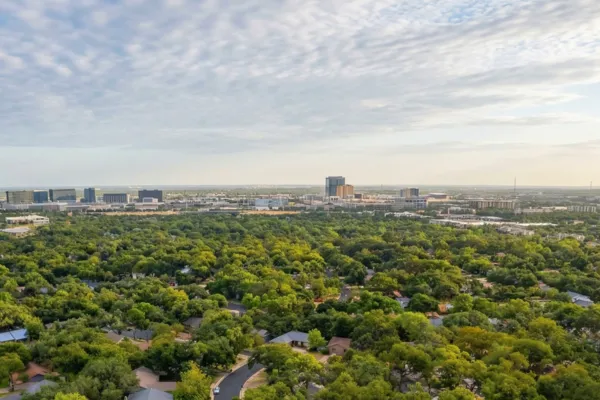
This part of Northwest Austin stands out for established neighborhoods, practical livability, and strong access to North Austin’s major road and retail corridors.
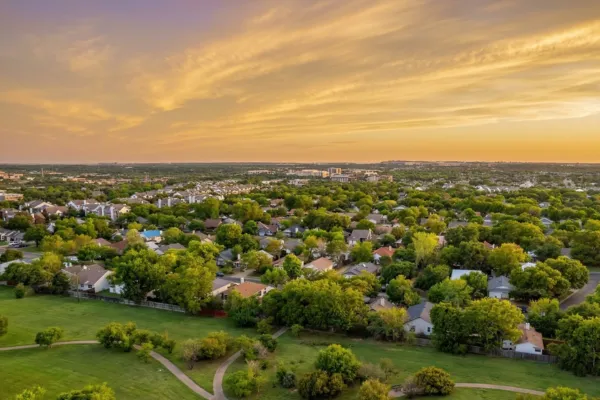
A broader North Austin option that includes practical corridor neighborhoods, major employment and retail access, and areas tied to the ongoing North Burnet and Domain growth story.
Surrounding Communities
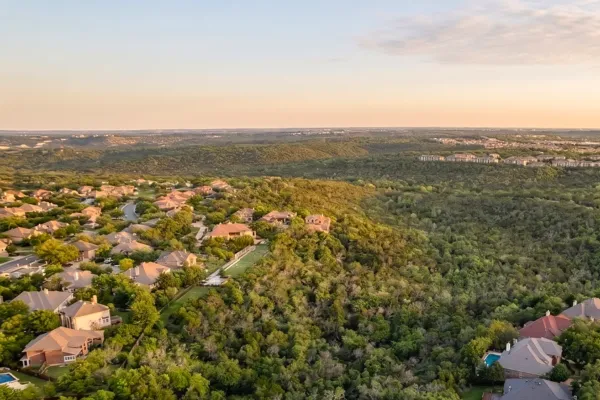
Far Northwest Austin includes Avery Ranch, Canyon Creek, Grandview Hills, and other neighborhoods buyers often group together on Austin’s outer northwest edge.
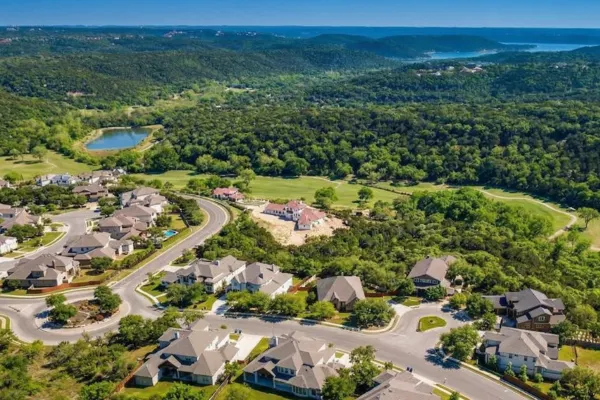
A popular suburban choice for buyers who want parks, amenities, strong day-to-day convenience, and a wide range of neighborhood options.
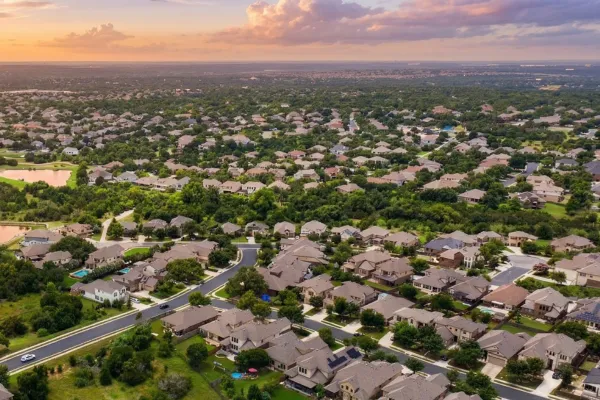
Known for major employers, broad suburban convenience, established neighborhoods, and a strong mix of recreation, services, and housing choices.
What Makes Austin Different
Austin is not just one housing market with one personality. What makes it different is the range. You can find established neighborhoods with mature trees, practical corridor neighborhoods with strong convenience, hillier pockets with more topography and outdoor access, and increasingly urban mixed-use districts that feel very different from the city’s traditional residential fabric.
That range is a strength, but it also means buyers usually benefit from narrowing the search by area early rather than trying to evaluate all of Austin at once.
What Makes Austin Different
Austin is not just one housing market with one personality. What makes it different is the range. You can find established neighborhoods with mature trees, practical corridor neighborhoods with strong convenience, hillier pockets with more topography and outdoor access, and increasingly urban mixed-use districts that feel very different from the city’s traditional residential fabric.
That range is a strength, but it also means buyers usually benefit from narrowing the search by area early rather than trying to evaluate all of Austin at once.
Helpful Reads Related to Austin
Looking for more context? These articles can help you understand the market, local growth, and how different parts of Austin are changing.
Need Help Narrowing Down Which Part of Austin Fits You Best?
Choosing the right area in Austin is about more than price or square footage. It is also about neighborhood feel, convenience, commute patterns, lifestyle, and how a part of the city fits the way you actually want to live. If you want help narrowing down which part of Austin makes the most sense for you, I’d be glad to help.
Frequently Asked Questions About Austin
How should I think about Austin when searching for a neighborhood?
Austin usually makes more sense to evaluate by area rather than as one giant market. Different parts of the city can feel very different in terms of neighborhood character, convenience, outdoor access, and overall lifestyle.
What part of Austin should I start with?
That depends on what matters most to you. Some buyers prioritize established neighborhoods and mature trees, others want stronger access to job centers and daily convenience, and others are focused on a more urban or more scenic setting.
Is Northwest Austin different from the rest of Austin?
Yes. Northwest Austin often appeals to buyers who want more established neighborhoods, more mature surroundings, and a different feel than either the urban core or farther-out suburban communities.
What is Northwest Austin East of 183?
It is a more practical, established corridor of Northwest Austin between 183, MoPac, Parmer, and 45 that includes neighborhoods with strong day-to-day convenience and mature residential character.
Should the Austin page link to neighborhood pages directly?
Usually, no. This page works best as a gateway into Austin’s major sub-areas, and then those sub-area pages can link down into the individual neighborhood pages.
How We Got Here
Real estate moves in cycles, and Austin has a rhythm of its own. I’ve tracked local market trends for over two decades, and I regularly compile key data points to give my clients historical perspective.
Below, you’ll find snapshots of annual appreciation, average sales price, and market dips and recoveries.
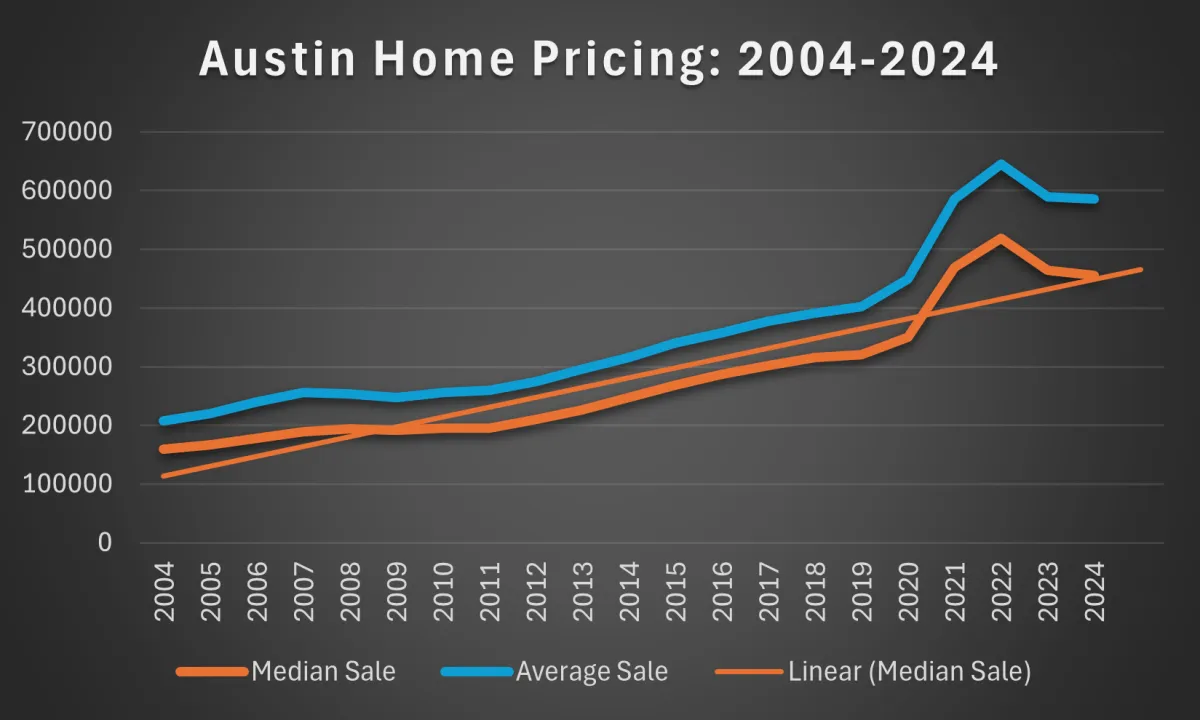
Over the past 20 years, the average annual price appreciation in the Austin MSA has hovered around 5-6%, significantly outpacing the national average. While there have been bumps along the way, the long-term trajectory is up.
A Look Back
Austin's Persistent Real Estate Cycle
In the 1990s, Dr. Stephen Phyrr, then a professor and real estate investor in Austin, published a landmark article titled Austin's Persistent Real Estate Cycle. In it, he charted the rise, fall and recovery of Austin's real estate market going back to the 1970s, and predicted the market's pattern of 7-10 year cycles - from boom to bust to robust.
His forecast proved prescient. Austin's history since then has reflected that pattern again and again: rapid growth, overheated prices, correction, stabilization, and rebound.








Get Local + National Market Updates
Want Monthly Market Updates? Delivered Right to Your Inbox
Each month, I break down what’s happening in Austin real estate - plus major national trends, interest rate shifts, and what it means for you.
It’s quick, actionable, and actually helpful.
JAMES BRINKMAN (BRINK)
Broker | Realtor | CNE | CRS | ABR | ePro
Homes By Brink @ AustinRealEstate.com
512-698-3525
Brink@HomesByBrink.com
James Brinkman | Broker Associate | Homes By Brink
3103 Bee Caves Rd STE 102, Rollingwood, TX 78746
(512) 698-3525
https://thinkbrink.realestate
Homes by Brink | Copyright © 2025 | All Rights Reserved
Privacy Policy l Terms & Condition|Disclosure



Homes By Brink
Homes by Brink | Copyright © 2025 | All Rights Reserved
Privacy Policy l Terms & Condition|Disclosure