


Living in Round Rock, Texas
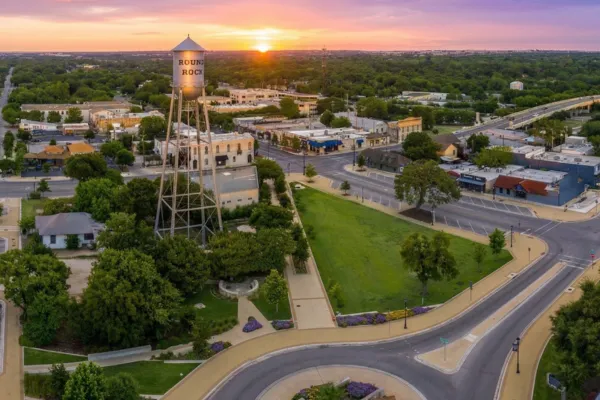
Explore neighborhoods, homes, lifestyle, location, and local insight to help you decide whether Round Rock is the right fit for you.
Why People Consider Round Rock
Round Rock continues to be one of the most established and recognizable suburban cities in the Austin metro. It combines strong day-to-day convenience, a major employment base, an extensive park system, and a wide range of neighborhoods, which is a big part of why so many buyers keep it on their shortlist. The city says it has a population of more than 100,000, major employers including Dell, Kalahari, Amazon, UPS, Baylor Scott & White, Ascension Seton Williamson, and St. David’s Round Rock Medical Center, and a large, award-winning park system.
For some buyers, the draw is access to jobs, shopping, healthcare, and recreation. For others, it is the variety of neighborhoods and the fact that Round Rock can offer different living environments depending on where you look, from more established areas to newer-feeling sections. That mix of practicality, scale, and familiarity makes Round Rock a strong option for a lot of different types of buyers.
Round Rock at a Glance
Location
Round Rock sits north of Austin and is closely tied into the broader metro through major regional corridors, which is one reason it remains a practical choice for many commuters and employers.
Known For
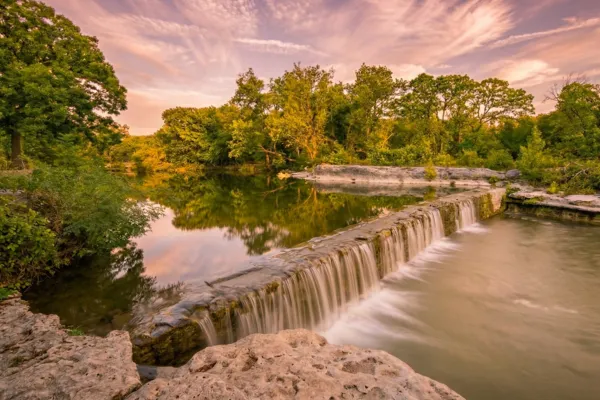
Major employers, strong suburban convenience, a well-known identity in the north Austin metro, and a large parks and recreation system. The city has 37 developed parks spanning more than 2,305 acres.
Housing Mix
Round Rock offers a broad mix of established neighborhoods, updated resale homes, and newer options depending on the area. This is a market-level characterization rather than a direct city statement.
Lifestyle
The lifestyle here tends to be practical, active, and convenience-driven, with access to parks, sports facilities, shopping, healthcare, and a wide range of everyday amenities.
Commute / Access
Round Rock works well for people who want strong access to north Austin employment centers while also benefiting from a city that has its own meaningful job base and services.
Best For
Buyers who want suburban convenience, employment access, a large-city amenity base, and a broad range of neighborhoods and housing choices.
Who Round Rock May Be a Good Fit For
Round Rock tends to appeal to buyers who want a suburb with real scale, strong infrastructure, and a lot of practical day-to-day functionality.
Buyers who want strong suburban convenience with major employers nearby
People who value parks, recreation, and outdoor access
Buyers looking for a broad range of neighborhoods and housing options
Households who want access to healthcare, retail, and everyday services close by
People comparing Round Rock with Cedar Park, Georgetown, or Northwest Austin
Buyers who want a city that feels established, active, and highly usable
Homes, Lifestyle, and What Makes Round Rock Distinct
A Suburb with Real Scale and Infrastructure
One of Round Rock’s biggest strengths is that it does not feel like a small outpost hanging off Austin. It functions as a major city in its own right, with a significant employment base, substantial healthcare presence, major retail, recreation assets, and a long-established identity in the metro.
Parks, Recreation, and Everyday Usability
Round Rock’s park system is one of the city’s standout features. The city reports 37 developed parks and more than 2,305 acres of parkland, with Old Settlers Park as a major anchor. That contributes to a lifestyle that can feel active, family-oriented, and highly usable day to day.
What Stands Out
Large park system and recreation footprint
Major employers and strong local job base
Broad housing and neighborhood variety
Strong healthcare, retail, and day-to-day convenience
A city that feels established and substantial within the Austin metro
Things to Keep in Mind
Neighborhood feel can vary a lot from one part of Round Rock to another
Commute experience depends heavily on where you work and what part of the city you choose
School attendance boundaries should always be verified by property address
Some buyers will prefer a more central-Austin feel, while others will prefer even more space farther north
Who Round Rock May Be a Good Fit For
Round Rock tends to appeal to buyers who want a suburb with real scale, strong infrastructure, and a lot of practical day-to-day functionality.
Buyers who want strong suburban convenience with major employers nearby
People who value parks, recreation, sports facilities, and outdoor access
Buyers looking for a broad range of neighborhoods and housing options
Households who want access to healthcare, retail, and everyday services close by
People comparing Round Rock with Cedar Park, Georgetown, or Northwest Austin
Buyers who want a city that feels established, active, and highly usable
Homes, Lifestyle, and What Makes Round Rock Distinct
A Suburb with Real Scale and Infrastructure
One of Round Rock’s biggest strengths is that it does not feel like a small outpost hanging off Austin. It functions as a major city in its own right, with a significant employment base, substantial healthcare presence, major retail, recreation assets, and a long-established identity in the metro. That makes it appealing to buyers who want more than just a neighborhood. They want a city that feels built out and fully functional.
Parks, Recreation, and Everyday Usability
Round Rock’s park system is one of the city’s standout features. The city reports 37 developed parks and more than 2,305 acres of parkland, with Old Settlers Park as a major anchor. That contributes to a lifestyle that can feel active, family-oriented, and highly usable day to day.
What Stands Out
Large park system and recreation footprint
Major employers and strong local job base
Broad housing and neighborhood variety
Strong healthcare, retail, and day-to-day convenience
A city that feels established and substantial within the Austin metro
Things to Keep in Mind
Neighborhood feel can vary a lot from one part of Round Rock to another.
Commute experience depends heavily on where you work and what part of the city you choose.
School attendance boundaries should always be verified by property address; Round Rock ISD serves families in Round Rock, Austin, and Cedar Park.
Some buyers will prefer a more central-Austin feel, while others will prefer even more space farther north.
Explore Neighborhoods in Round Rock
Different parts of Round Rock can feel surprisingly different. Some areas lean more established and central, some feel more master-planned and amenity-driven, and some appeal more for convenience, lot size, or overall neighborhood identity. Explore the neighborhoods below to get a better sense of what may fit you best.
Teravista
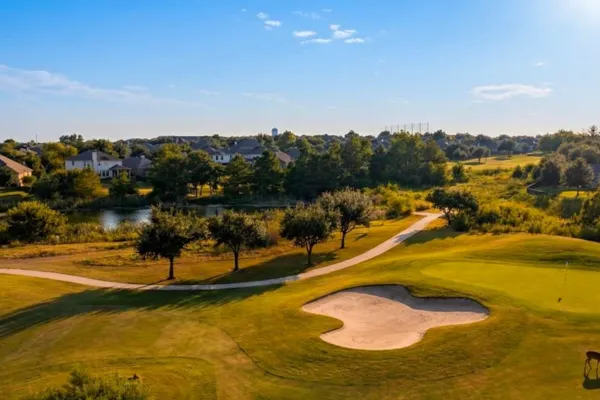
Known for its master-planned feel, golf-course influence, amenities, and broad buyer appeal, Teravista is one of the more recognizable neighborhood names in the Round Rock area.
Behrens Ranch & Sendero Springs
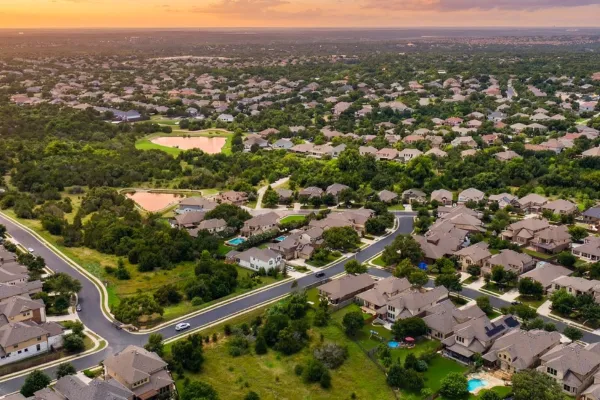
Behrens Ranch tends to appeal to buyers who want a more established, higher-end neighborhood feel with strong identity, attractive streetscapes, and convenient west Round Rock access
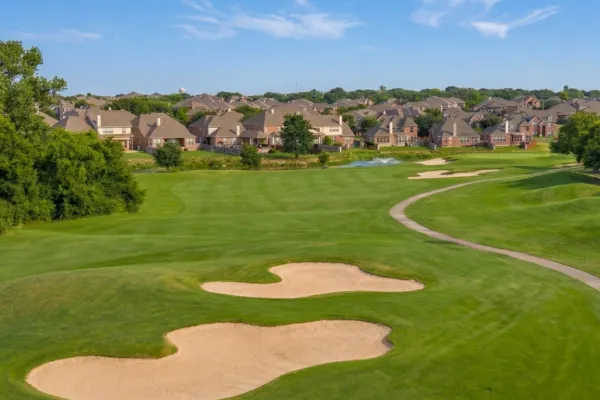
Forest Creek
Forest Creek is often associated with golf-course-area appeal, established homes, and a location that works well for buyers who want neighborhood character with practical access.
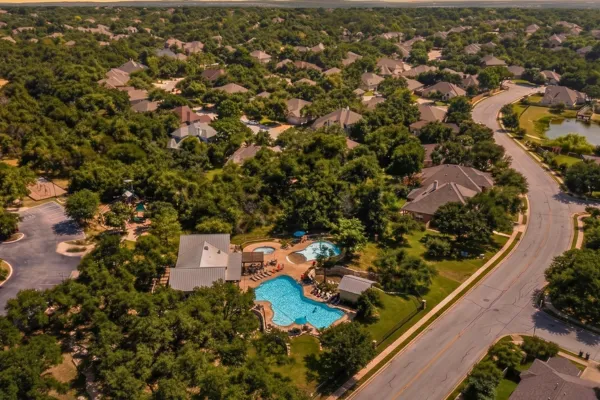
Mayfield Ranch
Mayfield Ranch can appeal to buyers who want a newer-feeling neighborhood environment, community amenities, and a west-side location that balances convenience with a residential feel.
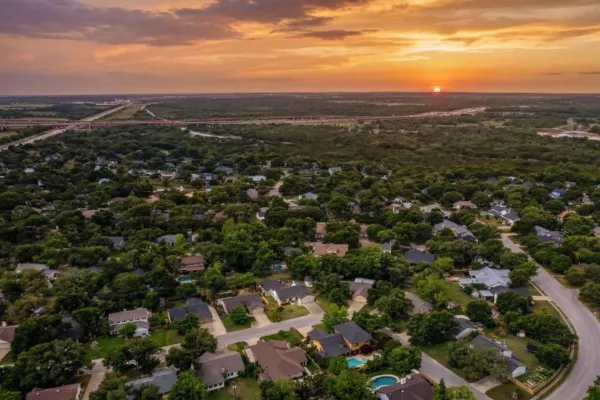
Round Rock West
One of the more established parts of the city, Round Rock West appeals to buyers who like mature trees, older neighborhood character, and a location close to the historic core and daily conveniences.
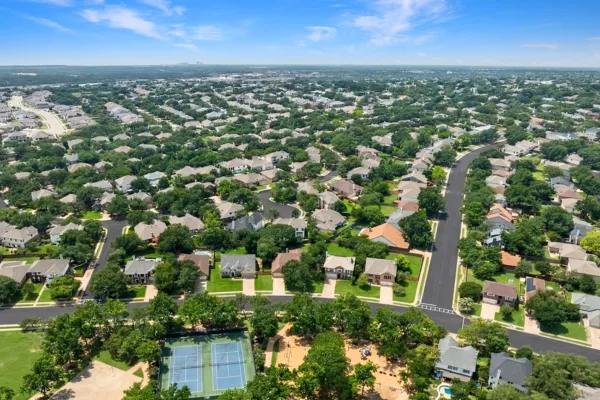
Stone Canyon & Fern Bluff
This area appeals to buyers who want an established Round Rock neighborhood feel with mature surroundings, practical convenience, and strong day-to-day livability that feels connected and usable.
Helpful Reads Related to Round Rock
Looking for more context? These articles can help you better understand Round Rock, the north Austin suburbs, and the tradeoffs between different parts of the metro:
Need Help Deciding if Round Rock Is Right for You?
Choosing the right area is about more than price or square footage. It is also about neighborhood feel, convenience, commute patterns, schools, recreation, and how a city fits the way you actually want to live. If you want help comparing Round Rock with Cedar Park, Georgetown, Northwest Austin, or other Austin-area options, I’d be glad to help.
Frequently Asked Questions About Round Rock
What is Round Rock known for?
Round Rock is known for its major employers, suburban convenience, extensive park system, and established role as one of the best-known cities in the north Austin metro. The city says it has 37 developed parks and major employers including Dell, Kalahari, Amazon, UPS, and several major healthcare systems.
Is Round Rock a suburb of Austin?
Round Rock is its own city in the Austin metro and functions as one of the region’s largest and most established suburban communities. The city reports a population above 100,000, and a March 2026 city page lists the estimate at 142,356 within the city limits.
What school district serves Round Rock?
Round Rock ISD serves many families in Round Rock and also serves parts of Austin and Cedar Park. The district says it has 56 schools and about 46,150 students. School assignment should always be confirmed by address.
What kinds of homes are common in Round Rock?
Round Rock has a broad mix of established neighborhoods, resale homes, and newer options depending on the part of the city. That is a market-level characterization, not an official city statement.
How does Round Rock compare with Cedar Park?
Round Rock often appeals to buyers who want a larger-city feel, a major employer base, and broad suburban convenience, while Cedar Park may appeal differently depending on commute patterns, neighborhood preference, and lifestyle priorities.
Round Rock Real Estate Market Snapshot
Q1 2026 Market Update
All Information Courtesy of UnlockMLS and subject to UnlockMLS copyrights
As of early April 2026, Round Rock is looking like a more balanced but still competitive market. Inventory has improved, buyers are still active, and homes are continuing to go under contract, but pricing has softened from a year ago and homes are generally taking longer to sell than they did during tighter market cycles.
Price
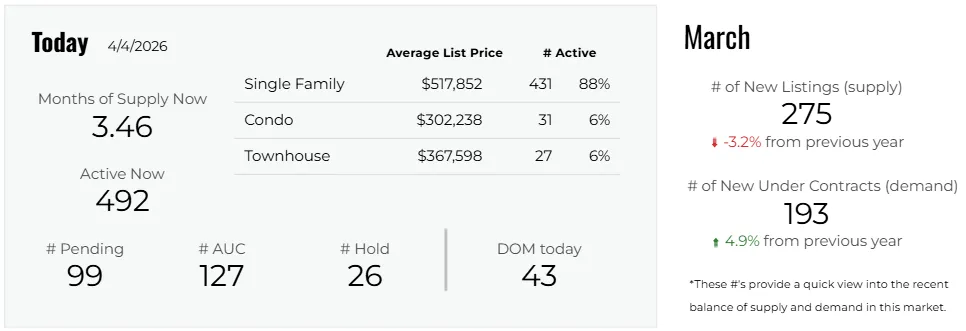
Inventory has continued to open up. Round Rock is sitting at 3.46 months of supply with 492 active listings as of April 4, 2026. March brought 275 new listings, down 3.2% from a year earlier, while year-to-date new listings are down 3.8% to 653. So while supply is not flooding the market, there are clearly more options for buyers than there were in tighter years.
Inventory
Inventory has continued to open up. Round Rock is sitting at 3.46 months of supply with 492 active listings as of April 4, 2026. March brought 275 new listings, down 3.2% from a year earlier, while year-to-date new listings are down 3.8% to 653. So while supply is not flooding the market, there are clearly more options for buyers than there were in tighter years.
Sales and Buyer Demand
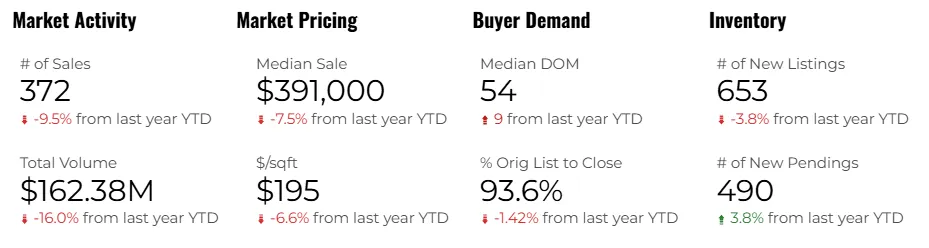
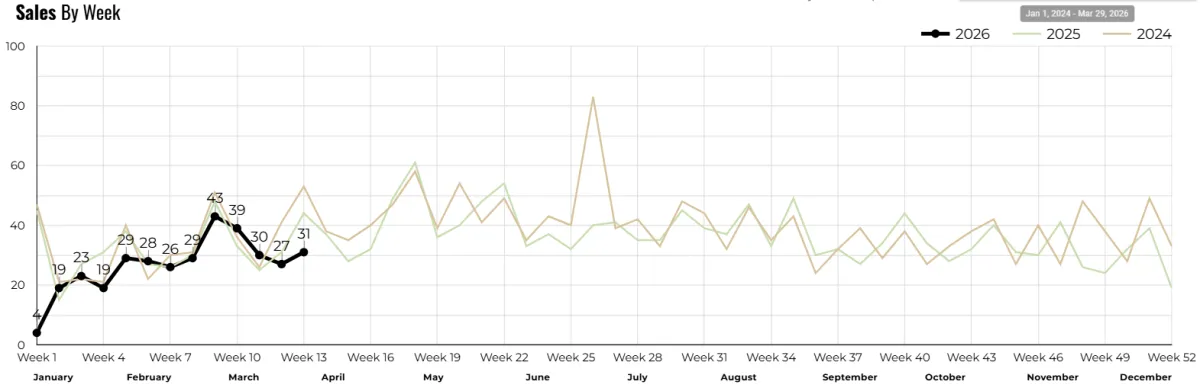
Buyer demand is still showing up. March new under contracts came in at 193, up 4.9% from the same month last year, and year-to-date new pendings are up 3.8% to 490. That said, closed sales are down 9.5% year to date at 372, and total dollar volume is down 16.0% to $162.38 million. In plain English, buyers are active, but the homes that are selling are generally doing so in a more selective and value-conscious environment.
Days on Market and Market Pace
Homes are taking longer to sell. Median days on market is now 54, up 9 days year over year, and current DOM is 43. The original list-to-close ratio is 93.6%, which suggests that many sellers are ultimately negotiating off their original asking price. That does not mean the market is weak. It means buyers have more leverage than they did when inventory was tighter and pricing discipline matters more.
What This Means for You
For buyers, Round Rock offers more choices, more time to evaluate homes, and better opportunities to negotiate when a property is overpriced or has been sitting. For sellers, the market is still moving, but it is less forgiving than it was during the frenzy years. Homes that are priced well and show well can still attract demand, but ambitious pricing is more likely to lead to longer market time and price adjustments.

Round Rock Real Estate Market Snapshot
Q1 2026 Market Update
All Information Courtesy of UnlockMLS and subject to UnlockMLS copyrights
As of early April 2026, Round Rock is looking like a more balanced but still competitive market. Inventory has improved, buyers are still active, and homes are continuing to go under contract, but pricing has softened from a year ago and homes are generally taking longer to sell than they did during tighter market cycles.
Price
Round Rock’s year-to-date median sale price is $391,000, down 7.5% from the same time last year, while price per square foot is $195, down 6.6%. That points to a market where values have softened meaningfully from last year’s pace, even though buyer activity has not disappeared. Buyers are still in the market, but they are clearly more price-sensitive and less willing to stretch.
Inventory
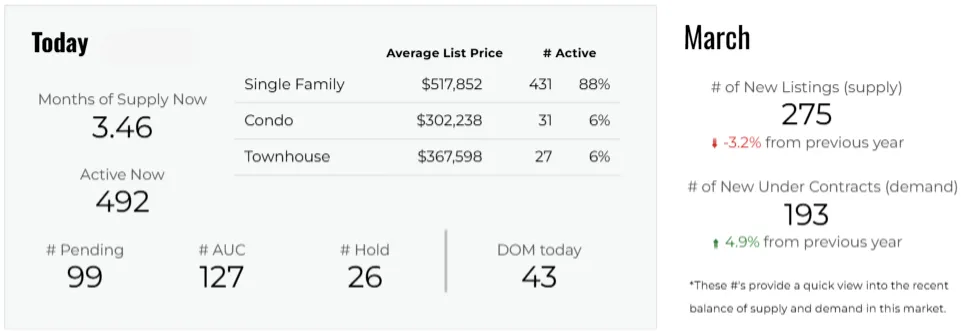
Inventory has continued to open up. Round Rock is sitting at 3.46 months of supply with 492 active listings as of April 4, 2026. March brought 275 new listings, down 3.2% from a year earlier, while year-to-date new listings are down 3.8% to 653. So while supply is not flooding the market, there are clearly more options for buyers than there were in tighter years..
Sales and Buyer Demand
Buyer demand is still showing up. March new under contracts came in at 193, up 4.9% from the same month last year, and year-to-date new pendings are up 3.8% to 490. That said, closed sales are down 9.5% year to date at 372, and total dollar volume is down 16.0% to $162.38 million. In plain English, buyers are active, but the homes that are selling are generally doing so in a more selective and value-conscious environment.
Days on Market and Market Pace
Homes are taking longer to sell. Median days on market is now 54, up 9 days year over year, and current DOM is 43. The original list-to-close ratio is 93.6%, which suggests that many sellers are ultimately negotiating off their original asking price. That does not mean the market is weak. It means buyers have more leverage than they did when inventory was tighter and pricing discipline matters more.
What This Means for You
For buyers, Round Rock offers more choices, more time to evaluate homes, and better opportunities to negotiate when a property is overpriced or has been sitting. For sellers, the market is still moving, but it is less forgiving than it was during the frenzy years. Homes that are priced well and show well can still attract demand, but ambitious pricing is more likely to lead to longer market time and price adjustments.





Get Local + National Market Updates
Want Monthly Market Updates? Delivered Right to Your Inbox
Each month, I break down what’s happening in Austin real estate - plus major national trends, interest rate shifts, and what it means for you.
It’s quick, actionable, and actually helpful.
JAMES BRINKMAN (BRINK)
Broker | Realtor | CNE | CRS | ABR | ePro
Homes By Brink @ AustinRealEstate.com
512-698-3525
Brink@HomesByBrink.com
James Brinkman | Broker Associate | Homes By Brink
3103 Bee Caves Rd STE 102, Rollingwood, TX 78746
(512) 698-3525
https://thinkbrink.realestate
Homes by Brink | Copyright © 2025 | All Rights Reserved
Privacy Policy l Terms & Condition|Disclosure



Homes By Brink
Homes by Brink | Copyright © 2025 | All Rights Reserved
Privacy Policy l Terms & Condition|Disclosure