


Living in Far Northwest Austin, Texas
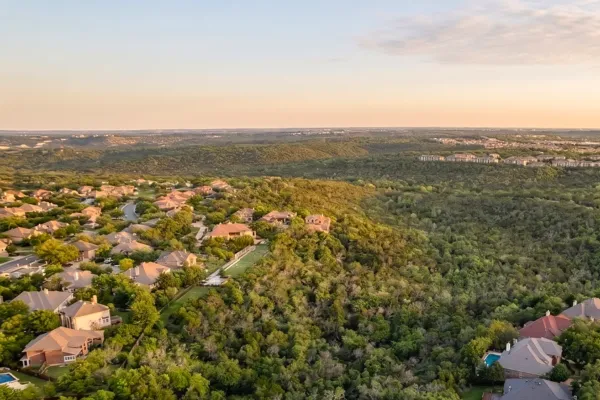
Explore neighborhoods, homes, lifestyle, location, and local insight to help you decide whether Far Northwest Austin is the right fit for you.
Why People Consider Far Northwest Austin
Far Northwest Austin tends to appeal to buyers who want more house, more neighborhood choice, and a location that connects well to major North Austin employment corridors without feeling like the center of the city. It is a broad, somewhat irregular part of Austin, but that is part of what makes it useful to define. This area includes neighborhoods that many buyers mentally group with Cedar Park or Round Rock, even though some are actually within Austin’s city boundaries and function as part of Austin’s far northwest edge.
For many buyers, the appeal here is practical. Far Northwest Austin offers a mix of housing products that is hard to capture cleanly under one smaller neighborhood label. You have master-planned sections like Avery Ranch, larger-lot and more varied pockets, established subdivisions, and a significant amount of townhome and condo inventory. For buyers trying to stay in the northwest side of the metro while balancing commute, schools, budget, and lifestyle, this area often ends up being a serious part of the conversation.
Far Northwest Austin at a Glance
Location
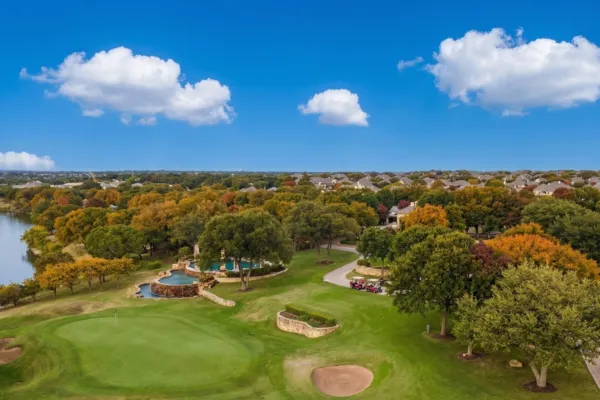
Far Northwest Austin generally covers the outer northwest Austin edge near Parmer, Lakeline, and 620, including several neighborhoods that people often mentally group with nearby suburbs.
Known For
Avery Ranch, larger neighborhood variety, practical access to major employers, and a mix of master-planned, established, and attached-housing options.
Housing Mix
This area includes everything from larger master-planned sections and traditional single-family neighborhoods to townhomes, condos, and some more mixed or scattered residential pockets.
Lifestyle
The lifestyle here tends to feel suburban, practical, and convenience-driven, especially for buyers who want Northwest Austin access with multiple neighborhood and housing choices.
Neighborhood Feel
Far Northwest Austin feels less like one unified neighborhood and more like a useful umbrella for several distinct residential pockets with different personalities and housing products.
Best For
Buyers who want flexibility, Northwest Austin access, and a wider range of neighborhood options than a smaller, more tightly defined area can offer.
Who Far Northwest Austin
May Be a Good Fit For
Far Northwest Austin tends to appeal to buyers who want Northwest Austin access, practical convenience, and multiple neighborhood options within one broader search area.
Buyers who want more neighborhood choice than a single subdivision or smaller district can offer
People comparing Avery Ranch, Canyon Creek, Grandview Hills, and nearby pockets and trying to stay within a similar outer Northwest Austin location pattern
Buyers who value access to major employers, Parmer corridor routes, Lakeline, and 620
Households who want a suburban feel with a range of housing products, from single-family homes to townhomes and condos
People who want Northwest Austin positioning without forcing themselves into a narrower North Austin or Northwest Austin East of 183 box
Buyers who want flexibility in lot size, neighborhood feel, and home style rather than one highly uniform housing story
Homes, Lifestyle, and What Makes Far Northwest Austin Distinct
A Useful Area for Buyers Who Need Options
One of the biggest strengths of Far Northwest Austin is that it gives buyers multiple legitimate paths within the same general location pattern. This is not an area where everything feels the same. Some neighborhoods are more master-planned and cohesive. Some are more established and varied. Some offer larger lots or a more tucked-away feel. Others are better fits for buyers looking for attached housing or lower-maintenance living.
That range matters as it makes Far Northwest Austin especially useful for buyers who know they want this side of town, but have not yet narrowed exactly what type of neighborhood or home product they want.
Avery Ranch Is the Anchor, But Not the Whole Story
Avery Ranch is one of the biggest names in this part of the market, and it deserves dedicated coverage on both sides of Parmer because those sections were built differently and tend to attract slightly different buyers. But Avery Ranch is not the whole story here. Far Northwest Austin also includes neighborhoods and residential pockets that attract buyers for very different reasons, whether that is larger lots, more individuality, different price points, or a more condo and townhome-friendly housing mix.
That is what makes this area distinct. It works well as a community hub not because everything is identical, but because buyers often search these places together as they try to solve for Northwest Austin location, commute, housing style, and livability.
What Stands Out
A broad mix of neighborhood types within one outer Northwest Austin search area
Avery Ranch as a major anchor, with meaningful east-west differences
A blend of single-family homes, townhomes, and condos
Practical access to major Northwest Austin employment and retail corridors
A neighborhood story built around flexibility, location, and buyer choice rather than one single identity
Things to Keep in Mind
Avery Ranch East and Avery Ranch West should be treated separately because the housing product and buyer perception differ
Some neighborhoods in this area are often mentally grouped with Cedar Park or Round Rock, even when they fall within Austin’s boundaries
Housing style varies meaningfully across the area, from master-planned single-family sections to more scattered larger-lot pockets and attached-housing communities
Buyers usually benefit most from narrowing this area by sub-neighborhood, side of Parmer, and housing type rather than treating it as one interchangeable market
Who Far Northwest Austin May Be a Good Fit For
Far Northwest Austin tends to appeal to buyers who want Northwest Austin access, practical convenience, and multiple neighborhood options within one broader search area.
Buyers who want more neighborhood choice than a single subdivision or smaller district can offer
People comparing Avery Ranch, Canyon Creek, Grandview Hills, and nearby pockets and trying to stay within a similar outer Northwest Austin location pattern
Buyers who value access to major employers, Parmer corridor routes, Lakeline, and 620
Households who want a suburban feel with a range of housing products, from single-family homes to townhomes and condos
People who want Northwest Austin positioning without forcing themselves into a narrower North Austin or Northwest Austin East of 183 box
Buyers who want flexibility in lot size, neighborhood feel, and home style rather than one highly uniform housing story
Homes, Lifestyle, and What Makes Far Northwest Austin Distinct
A Useful Area for Buyers Who Need Options
One of the biggest strengths of Far Northwest Austin is that it gives buyers multiple legitimate paths within the same general location pattern. This is not an area where everything feels the same. Some neighborhoods are more master-planned and cohesive. Some are more established and varied. Some offer larger lots or a more tucked-away feel. Others are better fits for buyers looking for attached housing or lower-maintenance living.
That range matters as it makes Far Northwest Austin especially useful for buyers who know they want this side of town, but have not yet narrowed exactly what type of neighborhood or home product they want.
Avery Ranch Is the Anchor, But Not the Whole Story
Avery Ranch is one of the biggest names in this part of the market, and it deserves dedicated coverage on both sides of Parmer because those sections were built differently and tend to attract slightly different buyers. But Avery Ranch is not the whole story here. Far Northwest Austin also includes neighborhoods and residential pockets that attract buyers for very different reasons, whether that is larger lots, more individuality, different price points, or a more condo and townhome-friendly housing mix.
That is what makes this area distinct. It works well as a community hub not because everything is identical, but because buyers often search these places together as they try to solve for Northwest Austin location, commute, housing style, and livability.
What Stands Out
A broad mix of neighborhood types within one outer Northwest Austin search area
Avery Ranch as a major anchor, with meaningful east-west differences
A blend of single-family homes, townhomes, and condos
Practical access to major Northwest Austin employment and retail corridors
A neighborhood story built around flexibility, location, and buyer choice rather than one single identity
Things to Keep in Mind
Avery Ranch East and Avery Ranch West should be treated separately because the housing product and buyer perception differ
Some neighborhoods in this area are often mentally grouped with Cedar Park or Round Rock, even when they fall within Austin’s boundaries
Housing style varies meaningfully across the area, from master-planned single-family sections to more scattered larger-lot pockets and attached-housing communities
Buyers usually benefit most from narrowing this area by sub-neighborhood, side of Parmer, and housing type rather than treating it as one interchangeable market
Featured Neighborhoods and Sub-Areas in Far Northwest Austin
Far Northwest Austin works best when you break it into the neighborhood clusters buyers actually compare. These are some of the most useful places to start.
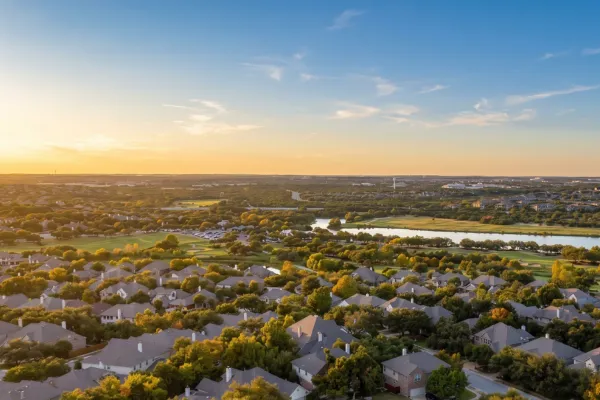
This side of Avery Ranch includes sections like Avery Ranch North, South, Brookside, Creekside, and Parkside. It tends to appeal to buyers looking for a more master-planned feel with a cohesive neighborhood presentation and a stronger sense of consistency from section to section.
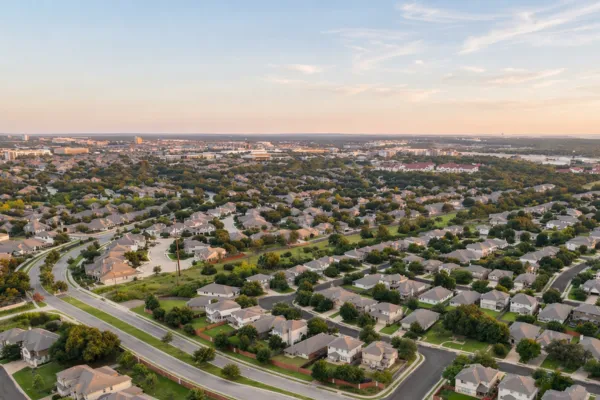
West of Parmer, Avery Ranch has a somewhat different feel, with its own builder mix, neighborhood identity, and attached-housing options. For many buyers, this side deserves to be evaluated separately rather than lumped into one giant Avery Ranch label.
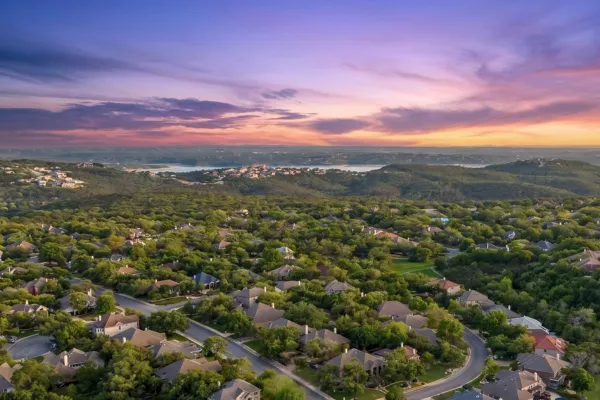
This pairing makes sense for buyers looking at Far Northwest Austin neighborhoods with their own distinct identity and a practical outer Northwest Austin location story. Close access to Lake Travis and 2222 defines these neighborhoods.
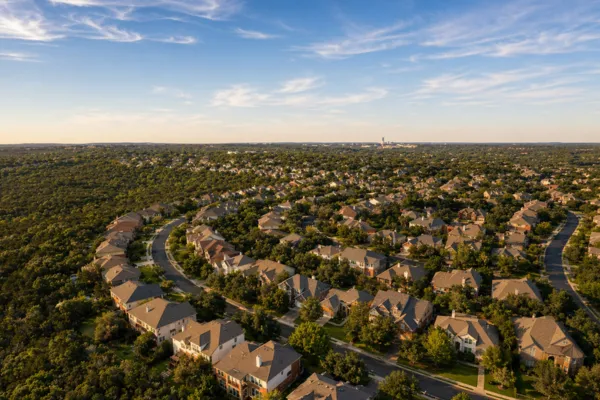
These neighborhoods tend to enter the conversation for buyers who want a more established Northwest Austin feel in this broader outer corridor, often with a different housing and lot story than the Avery Ranch area.
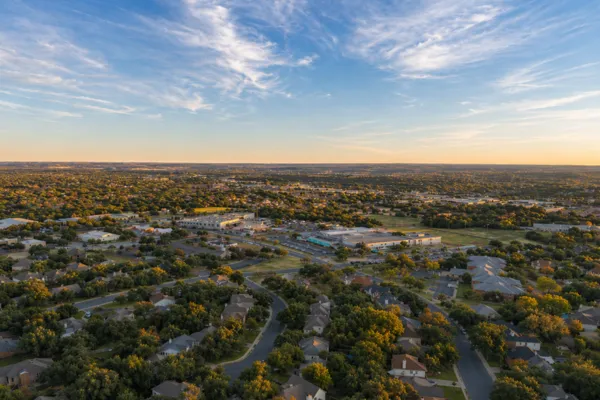
These neighborhoods are a good example of why this hub is useful. Many buyers think of this area as Round Rock, but parts of it tie back to Austin’s boundary pattern and fit better here than under a cleaner suburb-only label.
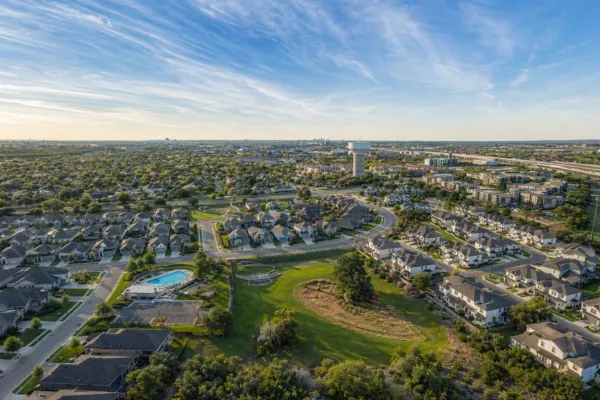
This part of the market includes a meaningful amount of attached housing, including condo and townhome communities that serve buyers looking for lower-maintenance living in the same general location pattern.
Helpful Reads Related to Far Northwest Austin
Looking for more context? These articles can help you better understand Northwest Austin, nearby growth, and the tradeoffs between different parts of North Austin.
Need Help Deciding if Far Northwest Austin Is Right for You?
Choosing the right neighborhood here is about more than square footage or price. It is also about side of Parmer, neighborhood feel, housing type, lot pattern, commute flow, and how a place fits the way you actually want to live. If you want help comparing Avery Ranch, Canyon Creek, Grandview Hills, or other Far Northwest Austin areas, I’d be glad to help.
Frequently Asked Questions About Northwest Austin
What is Far Northwest Austin known for?
Far Northwest Austin is a useful umbrella for the outer northwest Austin edge near Parmer, Lakeline, and 620, including several neighborhoods that buyers often search together even though they do not fit neatly under one smaller community label.
Why split Avery Ranch into east and west?
Because the two sides of Avery Ranch were built at different times, by different builders, and tend to be perceived differently by buyers. Splitting them makes the content more useful and closer to how people actually compare the area.
What neighborhoods belong in Far Northwest Austin?
A good working list includes Avery Ranch East, Avery Ranch West, Grandview Hills / The Parke, Canyon Creek / Canyon Creek West, Meadows of Brushy Creek / Woods of Brushy Creek, and the broader condo and townhome communities in the area.
Is Far Northwest Austin the same as Cedar Park or Round Rock?
Not exactly. Some neighborhoods in this zone are in Austin’s boundaries even though buyers may casually associate them with Cedar Park or Round Rock. That boundary mismatch is part of why this hub is useful.
Is Far Northwest Austin a good area for buyers comparing Northwest Austin neighborhoods?
For many buyers, yes. It can be a strong option for people who want Northwest Austin access, multiple housing choices, and a practical location pattern without forcing themselves into a narrower neighborhood box.
Far Northwest Austin Real Estate Market Snapshot
2026 Market Update
All Information Courtesy of UnlockMLS and subject to UnlockMLS copyrights
Far Northwest Austin does not behave like a single uniform neighborhood, so market interpretation here usually works best at the sub-area and neighborhood level. Even so, this broader section of the market tends to attract steady buyer attention because it offers a useful mix of housing types, neighborhood identities, and access to major North Austin employment corridors. Buyers and sellers in this area usually benefit from looking beyond city labels alone and focusing more on the specific neighborhood, side of Parmer, housing product, and price point.
Price
Pricing in Far Northwest Austin can vary quite a bit depending on whether you are looking at a more cohesive master-planned section, an established larger-lot neighborhood, or an attached-housing community. That range is part of what makes this area practical for a broad set of buyers, but it also means pricing strategy needs to be neighborhood-specific rather than overly broad.
Inventory
Inventory tends to be shaped by the diversity of the housing stock. Some parts of the area can feel more interchangeable and competitive, while others are driven by a smaller number of listings with more distinct lot, layout, or location characteristics.
Sales and Buyer Demand
Buyer demand here is often supported by the area’s flexibility. Some buyers are targeting Avery Ranch specifically. Others are solving for Northwest Austin location and comparing several nearby neighborhoods at once. That creates a market where neighborhood positioning matters a lot.
Days on Market and Market Pace
Market pace can vary meaningfully depending on the neighborhood and product type. More standardized homes may compete differently than larger-lot, more unique, or attached-housing options. In this part of Austin, the specific micro-market often matters more than the broad umbrella label.
What This Means for You
If you are buying or selling in Far Northwest Austin, the smartest approach is usually to get much more specific than the area name. The location umbrella is useful, but the real decisions tend to come down to the exact neighborhood, the type of housing, and how that property compares with nearby alternatives buyers are also considering.







Northwest Austin Real Estate Market Snapshot
Q1 2026 Market Update
All Information Courtesy of UnlockMLS and subject to UnlockMLS copyrights
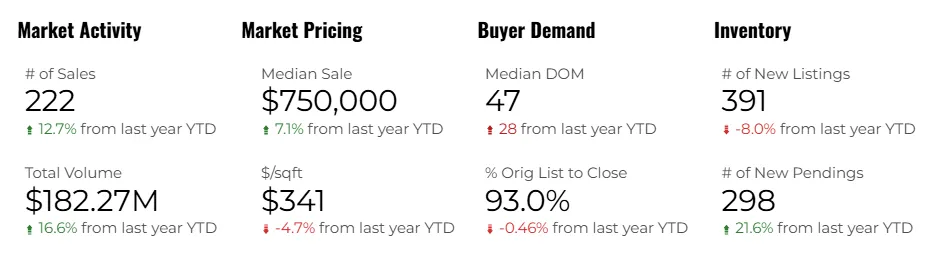
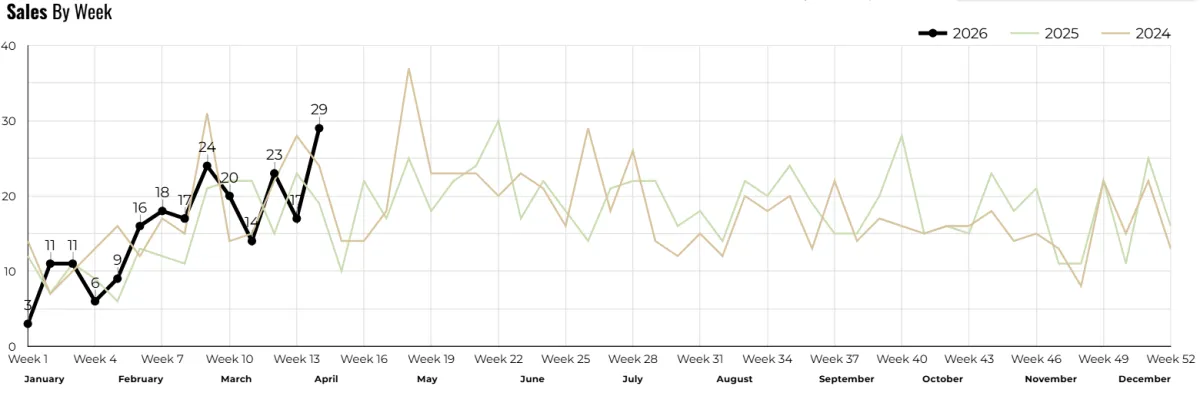
As of early April 2026, Northwest Austin is showing a fairly active market with stronger sales activity than a year ago, but still with enough inventory and market time to keep buyers selective. Prices at the median have held up well year over year, demand has improved meaningfully, and total sales volume is up, but homes are still taking long enough to sell that pricing strategy and presentation continue to matter.
Price
Northwest Austin’s year-to-date median sale price is $750,000, up 7.1% from the same time last year, while price per square foot is $341, down 4.7%. That combination suggests the market is still supporting higher-end sales and a stronger median price point, but buyers are not simply paying more across the board for every square foot. In other words, values have held up, but buyers are still paying attention to quality, condition, and location.
Inventory
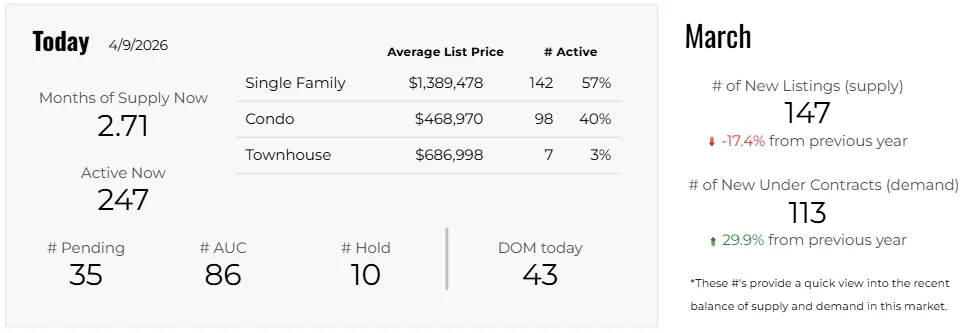
Inventory remains fairly healthy. Northwest Austin is sitting at 2.71 months of supply with 247 active listings as of April 9, 2026. March brought 147 new listings, down 17.4% from a year earlier, while year-to-date new listings are down 8.0% to 391. So even though fewer homes are coming to market than last year, buyers still have enough options to be selective. This is not an ultra-tight market, but it is also not oversupplied.
Sales and Buyer Demand
Buyer demand has clearly improved. March new under contracts came in at 113, up 29.9% from the same month last year, and year-to-date new pendings are up 21.6% to 298. Closed sales are also up 12.7% year to date at 222, while total dollar volume has risen 16.6% to $182.27 million. That tells us buyers are very much in the market in Northwest Austin, especially when homes are positioned well and align with what buyers want.
Days on Market and Market Pace
Homes are still taking enough time to sell that sellers cannot afford to get sloppy. Median days on market is 47, up 28 days from last year, and current DOM is 43. The original list-to-close ratio is 93.0%, which means many homes are still closing below their original asking price. That does not signal a weak market. It signals a market where buyers are active, but disciplined, and where pricing right from the start still matters.
What This Means for You
For buyers, Northwest Austin offers a good mix of opportunity and competition. Demand has improved, so the best homes can still move quickly, but there is enough inventory and enough market time to make thoughtful decisions and negotiate when a home is overpriced or poorly positioned. For sellers, this is still a market where homes can move, especially in desirable Northwest Austin pockets, but it is not a market to test with wishful pricing. The homes that win are the ones that combine location, condition, and smart pricing.







Get Local + National Market Updates
Want Monthly Market Updates? Delivered Right to Your Inbox
Each month, I break down what’s happening in Austin real estate - plus major national trends, interest rate shifts, and what it means for you.
It’s quick, actionable, and actually helpful.
JAMES BRINKMAN (BRINK)
Broker | Realtor | CNE | CRS | ABR | ePro
Homes By Brink @ AustinRealEstate.com
512-698-3525
Brink@HomesByBrink.com
James Brinkman | Broker Associate | Homes By Brink
3103 Bee Caves Rd STE 102, Rollingwood, TX 78746
(512) 698-3525
https://thinkbrink.realestate
Homes by Brink | Copyright © 2025 | All Rights Reserved
Privacy Policy l Terms & Condition|Disclosure



Homes By Brink
Homes by Brink | Copyright © 2025 | All Rights Reserved
Privacy Policy l Terms & Condition|Disclosure