


Avery Ranch West Neighborhood Guide
Living in Avery Ranch West,
Far Northwest Austin
Explore homes, neighborhood character, location, and local insight to help you decide whether Avery Ranch West is the right fit for you.
Why People Consider Avery Ranch West
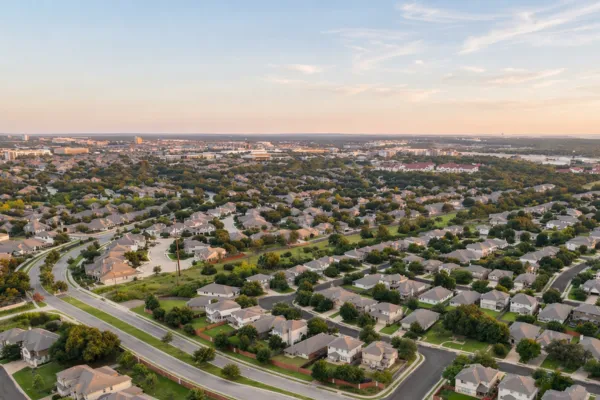
Avery Ranch West tends to appeal to buyers who want a recognizable Avery Ranch location with a more specific west-side housing feel. This side of Parmer is closely associated with a heavier D.R. Horton presence in much of the housing product, and that shapes the neighborhood experience in a meaningful way. For many buyers, the appeal is that Avery Ranch West feels more straightforward in its product type, easier to compare from one section to the next, and strongly tied to the broader Avery Ranch name.
For buyers comparing both sides of Avery Ranch, the west side often appeals to people who are comfortable with a more repeated-plan environment and who value the familiarity that comes with that. It can also be a useful side of the market for buyers considering attached housing, townhome product, or a more defined west-of-Parmer location story within Far Northwest Austin.
Avery Ranch West at a Glance
Location
Avery Ranch West sits west of Parmer in Far Northwest Austin and includes sections such as Avery Ranch, Avery Ranch Far West, Avery Ranch Lakeline, and nearby attached-housing pockets like Avery South Townhomes.
Known For
A strong Avery Ranch identity, west-of-Parmer location, and a housing story shaped in many sections by heavier D.R. Horton influence.
Housing Style
Avery Ranch West is known for single-family homes and some attached housing in a more builder-driven suburban setting, with more plan repetition in many parts of the neighborhood.
Lifestyle
The lifestyle here tends to feel practical, suburban, and easy to compare, especially for buyers who like a familiar neighborhood product and a strong location anchor.
Neighborhood Feel
This part of Avery Ranch tends to feel more builder-defined, more repeated in housing presentation, and more clearly grouped by its west-side identity.
Best For
Buyers who want a recognizable Avery Ranch location, a more familiar suburban housing pattern, and a defined west-of-Parmer neighborhood identity.
Who Avery Ranch West May Be a Good Fit For
Avery Ranch West tends to appeal to buyers who want a Far Northwest Austin neighborhood with a strong Avery Ranch identity and a more builder-driven housing story.
Buyers who want a recognizable Avery Ranch location on the west side of Parmer
People who are comfortable with a more repeated-plan neighborhood feel and a more builder-defined housing pattern
Buyers looking for a practical suburban setting that is relatively easy to compare from one section to the next
Households who want Far Northwest Austin access in a neighborhood with a clearly understood housing product
People comparing Avery Ranch West with Avery Ranch East, attached-housing options, or other large suburban communities
Buyers who value familiarity and comparability over a more varied or less predictable housing mix
Homes and Neighborhood Character in Avery Ranch West
A More Builder-Driven West-Side Housing Story
One of the biggest differences in Avery Ranch West is that the housing product tends to feel more builder-driven in many sections, with a heavier D.R. Horton presence shaping the overall look and feel. That often creates a neighborhood experience with more repeated plans, more recognizable product patterns, and a clearer sense of what buyers are generally evaluating from one area to the next.
For some buyers, that is a feature, not a drawback. It can make the west side feel easier to understand and easier to compare, especially for people who want a more familiar suburban product rather than a neighborhood with a broader mix of builders and more variation in the housing stock.
A Clearer Product Pattern, with Attached Housing in the Mix
Avery Ranch West is useful to treat separately because it is not just “the other side of Avery Ranch.” It has its own housing mix, its own buyer perception, and a more distinct west-of-Parmer identity. In addition to the single-family product, this side of the area also brings attached-housing options into the conversation more naturally, which matters for buyers looking for lower-maintenance living in the same broader location pattern.
That makes Avery Ranch West especially relevant for buyers who want the Avery Ranch name and location, but who are not necessarily looking for the broader builder mix or slightly different section-to-section feel found on the east side. The west side often reads as more specific in product type and more defined in how buyers talk about it.
What Stands Out
A stronger west-of-Parmer Avery Ranch identity
Heavier D.R. Horton influence in much of the housing product
More repeated plans and a more builder-defined neighborhood feel
A useful mix of single-family and some attached-housing options
A neighborhood identity built around familiarity, comparability, and location recognition
Lifestyle and Location Advantages
Avery Ranch West can be a strong fit for buyers who want a neighborhood that feels straightforward and easy to evaluate. The value here is often in the combination of a strong Avery Ranch name, a practical west-of-Parmer location, and a housing story that feels more defined than some nearby neighborhoods. For many buyers, that clarity is useful.
This side of Avery Ranch often appeals to people who want a suburban setting with a familiar product pattern and a location that still fits the broader Far Northwest Austin convenience story. It can also make sense for buyers who want to compare single-family and attached-housing options without leaving the same overall area.
Things to Consider About
Avery Ranch West
Buyers who want more builder variety or a less repeated-plan neighborhood feel may prefer Avery Ranch East or another Far Northwest Austin area
Some buyers may appreciate the familiarity here, while others may want a more varied or less standardized streetscape
Pricing and competition can reflect the strength of the Avery Ranch name and the accessibility of the west-side product mix
Exact section, street, and property condition still matter within the broader neighborhood
Buyers should verify school assignments, HOA details, and neighborhood-boundary assumptions by exact address
Who Avery Ranch West May Be a Good Fit For
Avery Ranch West tends to appeal to buyers who want a Far Northwest Austin neighborhood with a strong Avery Ranch identity and a more builder-driven housing story.
Buyers who want a recognizable Avery Ranch location on the west side of Parmer
People who are comfortable with a more repeated-plan neighborhood feel and a more builder-defined housing pattern
Buyers looking for a practical suburban setting that is relatively easy to compare from one section to the next
Households who want Far Northwest Austin access in a neighborhood with a clearly understood housing product
People comparing Avery Ranch West with Avery Ranch East, attached-housing options, or other large suburban communities
Buyers who value familiarity and comparability over a more varied or less predictable housing mix
Homes and Neighborhood Character in Avery Ranch West
A More Builder-Driven West-Side Housing Story
One of the biggest differences in Avery Ranch West is that the housing product tends to feel more builder-driven in many sections, with a heavier D.R. Horton presence shaping the overall look and feel. That often creates a neighborhood experience with more repeated plans, more recognizable product patterns, and a clearer sense of what buyers are generally evaluating from one area to the next.
For some buyers, that is a feature, not a drawback. It can make the west side feel easier to understand and easier to compare, especially for people who want a more familiar suburban product rather than a neighborhood with a broader mix of builders and more variation in the housing stock.
A Clearer Product Pattern, with Attached Housing in the Mix
Avery Ranch West is useful to treat separately because it is not just “the other side of Avery Ranch.” It has its own housing mix, its own buyer perception, and a more distinct west-of-Parmer identity. In addition to the single-family product, this side of the area also brings attached-housing options into the conversation more naturally, which matters for buyers looking for lower-maintenance living in the same broader location pattern.
That makes Avery Ranch West especially relevant for buyers who want the Avery Ranch name and location, but who are not necessarily looking for the broader builder mix or slightly different section-to-section feel found on the east side. The west side often reads as more specific in product type and more defined in how buyers talk about it.
What Stands Out
A stronger west-of-Parmer Avery Ranch identity
Heavier D.R. Horton influence in much of the housing product
More repeated plans and a more builder-defined neighborhood feel
A useful mix of single-family and some attached-housing options
A neighborhood identity built around familiarity, comparability, and location recognition
Lifestyle and Location Advantages
Avery Ranch West can be a strong fit for buyers who want a neighborhood that feels straightforward and easy to evaluate. The value here is often in the combination of a strong Avery Ranch name, a practical west-of-Parmer location, and a housing story that feels more defined than some nearby neighborhoods. For many buyers, that clarity is useful.
This side of Avery Ranch often appeals to people who want a suburban setting with a familiar product pattern and a location that still fits the broader Far Northwest Austin convenience story. It can also make sense for buyers who want to compare single-family and attached-housing options without leaving the same overall area.
Things to Consider About Avery Ranch West
Buyers who want more builder variety or a less repeated-plan neighborhood feel may prefer Avery Ranch East or another Far Northwest Austin area
Some buyers may appreciate the familiarity here, while others may want a more varied or less standardized streetscape
Pricing and competition can reflect the strength of the Avery Ranch name and the accessibility of the west-side product mix
Exact section, street, and property condition still matter within the broader neighborhood
Buyers should verify school assignments, HOA details, and neighborhood-boundary assumptions by exact address
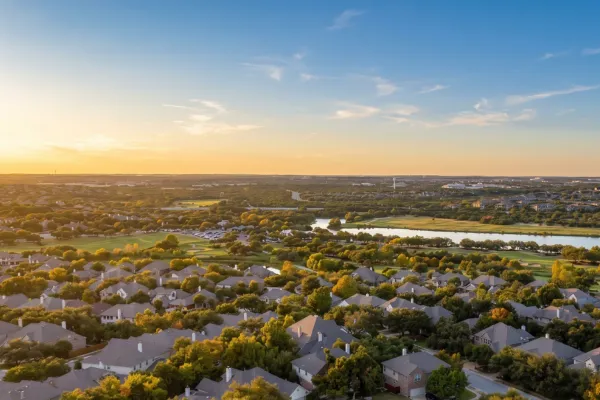
This side of Avery Ranch includes sections like Avery Ranch North, South, Brookside, Creekside, and Parkside. It tends to appeal to buyers looking for a more master-planned feel with a cohesive neighborhood presentation and a stronger sense of consistency from section to section.
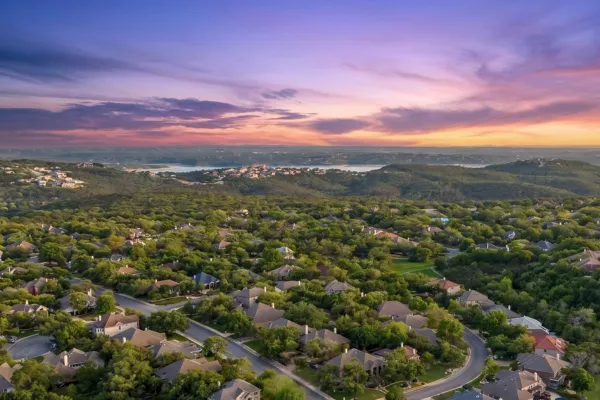
This pairing makes sense for buyers looking at Far Northwest Austin neighborhoods with their own distinct identity and a practical outer Northwest Austin location story. Close access to Lake Travis and 2222 defines these neighborhoods.
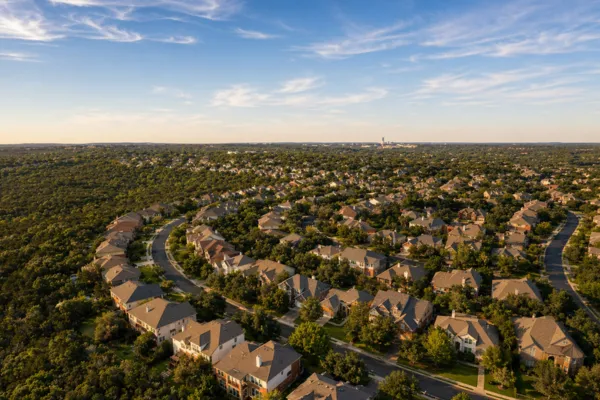
These neighborhoods tend to enter the conversation for buyers who want a more established Northwest Austin feel in this broader outer corridor, often with a different housing and lot story than the Avery Ranch area.
Related Reads and Nearby Areas
Looking for more context? These pages can help you compare Avery Ranch West with nearby Far Northwest Austin areas that offer a different housing mix and neighborhood feel.
Need Help Deciding if Avery Ranch West Is the Right Fit?
Choosing the right neighborhood is about more than square footage or price. It is also about side of Parmer, builder mix, housing feel, and how a place fits the way you actually want to live. If you want help comparing Avery Ranch West with Avery Ranch East or other Far Northwest Austin neighborhoods, I’d be glad to help.
Frequently Asked Questions About Avery Ranch West
What is Avery Ranch West known for?
Avery Ranch West is known for its west-of-Parmer location, strong Avery Ranch identity, and a housing story that in many sections reflects heavier D.R. Horton influence and more repeated-plan suburban product.
Who tends to like Avery Ranch West most?
It often appeals to buyers who want a recognizable Avery Ranch location, a more familiar suburban housing pattern, and a neighborhood that feels easier to compare from section to section.
How is Avery Ranch West different from Avery Ranch East?
Avery Ranch West generally has more D.R. Horton influence in much of its housing product and often reads as more builder-defined, while Avery Ranch East has a broader builder mix and a somewhat different east-side neighborhood feel.
Is Avery Ranch West a good fit for buyers comparing Far Northwest Austin neighborhoods?
For many buyers, yes. It can be a strong option for people who want the Avery Ranch name, west-of-Parmer positioning, and a more straightforward suburban housing story.
Should buyers treat all of Avery Ranch as one neighborhood?
Not really. Avery Ranch East and Avery Ranch West are closely related, but the housing product, builder mix, and buyer perception differ enough that it is more useful to compare them separately.







Get Local + National Market Updates
Want Monthly Market Updates? Delivered Right to Your Inbox
Each month, I break down what’s happening in Austin real estate - plus major national trends, interest rate shifts, and what it means for you.
It’s quick, actionable, and actually helpful.
JAMES BRINKMAN (BRINK)
Broker | Realtor | CNE | CRS | ABR | ePro
Homes By Brink @ AustinRealEstate.com
512-698-3525
Brink@HomesByBrink.com
James Brinkman | Broker Associate | Homes By Brink
3103 Bee Caves Rd STE 102, Rollingwood, TX 78746
(512) 698-3525
https://thinkbrink.realestate
Homes by Brink | Copyright © 2025 | All Rights Reserved
Privacy Policy l Terms & Condition|Disclosure



Homes By Brink
Homes by Brink | Copyright © 2025 | All Rights Reserved
Privacy Policy l Terms & Condition|Disclosure