


Living in Northwest Austin, East of 183
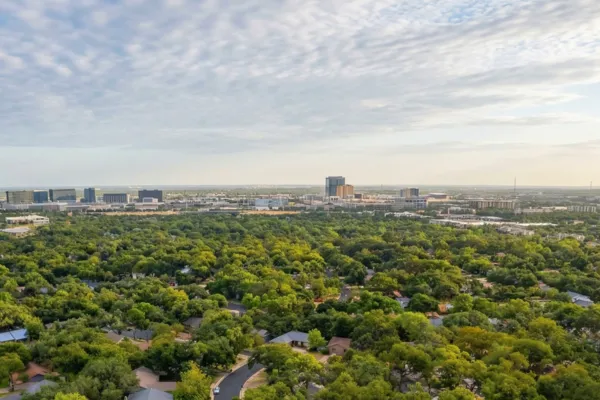
Explore neighborhoods, homes, lifestyle, location, and local insight to help you decide whether Northwest Austin is the right fit for you.
Why People Consider Northwest Austin East of 183
This part of Northwest Austin has a different feel from the hillier neighborhoods west of 183. Instead of leaning heavily on topography, preserve-edge scenery, or canyon views, the appeal here is usually more practical: established homes, mature neighborhoods, strong everyday convenience, and solid access to the broader North Austin job and retail corridor.
It also sits in a useful position within the city. This area benefits from access to MoPac, 183, Parmer, and 45, while also being close to major North Austin destinations and the larger Burnet / Gateway growth story nearby. The North Burnet / Gateway planning area covers about 2,300 acres in North Austin, which helps explain why this broader corridor continues to gain attention even while many of the surrounding neighborhoods remain mature and residential.
Northwest Austin East of 183 at a Glance
Location
This corridor sits between 183, MoPac, Parmer, and 45, giving it strong practical access to major North Austin destinations, regional routes, and nearby employment and retail areas. This is a geographic and market-level summary.
Known For
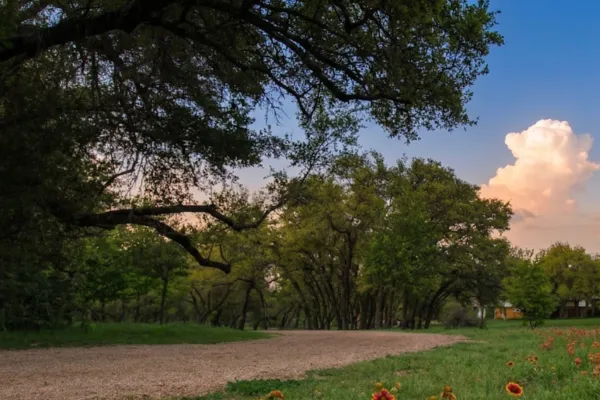
Established neighborhoods, mature trees, practical livability, and a more straightforward residential feel than some of the hillier or more niche pockets of Northwest Austin.
Housing Mix
This part of Northwest Austin is generally associated with established single-family neighborhoods built across an earlier phase of North Austin’s growth. This is a market-level characterization.
Lifestyle
The lifestyle here tends to feel highly functional and residential, with many buyers drawn to the combination of familiarity, access, and everyday usability.
Outdoor Access
This corridor benefits from proximity to Balcones District Park, Walnut Creek Regional Trail, and neighborhood-scale park/trail infrastructure. Balcones District Park includes facilities like Balcones Pool, and the Walnut Creek Regional Trail, planned as an approximately 20-mile regional trail system with a bookend trailhead at Balcones District Park.
Best For
Buyers who want an established Northwest Austin location with mature neighborhoods, practical access, and a less niche, more everyday-livable feel.
Who Northwest Austin East of 183 May Be a Good Fit For
This corridor tends to appeal to buyers who want Northwest Austin convenience first, with established neighborhood character and strong day-to-day livability right behind it.
Buyers who want established neighborhoods with mature trees and more rooted residential feel
People who value practical access to 183, MoPac, Parmer, and 45
Buyers looking for a less topography-driven and more functional Northwest Austin option
Households who want parks, pools, and trail access nearby
People comparing this corridor with hillier Northwest Austin neighborhoods west of 183
Buyers who want Austin convenience without needing a more scenic or prestige-driven micro-area
Homes, Lifestyle, and What Makes This Corridor Distinct
Established and Practical by Nature
One of the strengths of this part of Northwest Austin is that it feels practical in the best sense of the word. The neighborhoods here are generally established, the housing stock reflects a more mature phase of Austin’s growth, and the area tends to work well for buyers who care more about livability, access, and long-term usefulness than about spectacle.
Closer to the Daily Rhythm of North Austin
This corridor also benefits from being near major North Austin movement patterns and destinations. While it does not have the same bluff-and-creek identity as some neighborhoods west of 183, it often wins on utility. The continued growth and planning activity around North Burnet / Gateway reinforces the broader convenience story nearby, even though these neighborhoods themselves remain much more residential in character.
What Stands Out
Established homes and mature neighborhoods
Strong access to major road corridors
Practical day-to-day convenience
Nearby access to Balcones District Park and Walnut Creek trail infrastructure
A more grounded residential feel than some more niche Northwest Austin pockets
Things to Keep in Mind
Neighborhood feel can still vary a lot from one pocket to another
Some buyers will prefer the stronger topography and preserve feel west of 183
Others will prefer this corridor specifically because it feels more straightforward and functional
Micro-location matters, especially for traffic patterns, school patterns, and proximity to parks or retail
Buyers comparing this area with suburbs are often trading newer housing stock for Austin location and convenience
Who Northwest Austin East of 183 May Be a Good Fit For
This corridor tends to appeal to buyers who want Northwest Austin convenience first, with established neighborhood character and strong day-to-day livability right behind it.
Buyers who want established neighborhoods with mature trees and more rooted residential feel
People who value practical access to 183, MoPac, Parmer, and 45
Buyers looking for a less topography-driven and more functional Northwest Austin option
Households who want parks, pools, and trail access nearby
People comparing this corridor with hillier Northwest Austin neighborhoods west of 183
Buyers who want Austin convenience without needing a more scenic or prestige-driven micro-area
Homes, Lifestyle, and What Makes This Corridor Distinct
Established and Practical by Nature
One of the strengths of this part of Northwest Austin is that it feels practical in the best sense of the word. The neighborhoods here are generally established, the housing stock reflects a more mature phase of Austin’s growth, and the area tends to work well for buyers who care more about livability, access, and long-term usefulness than about spectacle.
Closer to the Daily Rhythm of North Austin
This corridor also benefits from being near major North Austin movement patterns and destinations. While it does not have the same bluff-and-creek identity as some neighborhoods west of 183, it often wins on utility. The continued growth and planning activity around North Burnet / Gateway reinforces the broader convenience story nearby, even though these neighborhoods themselves remain much more residential in character.
What Stands Out
Established homes and mature neighborhoods
Strong access to major road corridors
Practical day-to-day convenience
Nearby access to Balcones District Park and Walnut Creek trail infrastructure
A more grounded residential feel than some more niche Northwest Austin pockets
Things to Keep in Mind
Neighborhood feel can still vary a lot from one pocket to another
Some buyers will prefer the stronger topography and preserve feel west of 183
Others will prefer this corridor specifically because it feels more straightforward and functional
Micro-location matters, especially for traffic patterns, school patterns, and proximity to parks or retail
Buyers comparing this area with suburbs are often trading newer housing stock for Austin location and convenience
Explore Neighborhoods in Northwest Austin East of 183
Different neighborhoods in this corridor can still feel quite different from one another. Some lean more established and central, some feel more tucked away, and some stand out for their practical location or neighborhood character. Explore the neighborhoods below to get a better sense of what may fit you best.
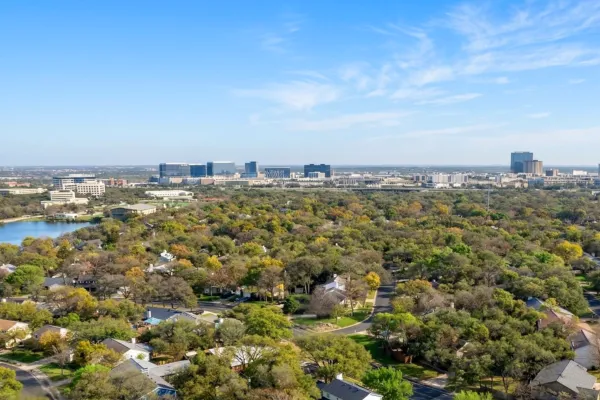
Known for its established homes, mature trees, and practical location, Balcones Woods appeals to buyers who want a grounded Northwest Austin neighborhood with strong day-to-day convenience.
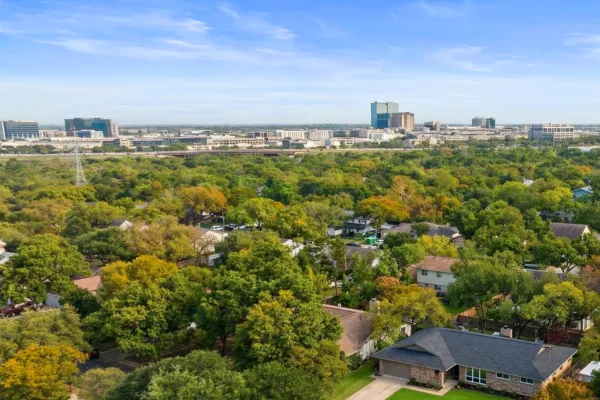
Mesa Park tends to appeal to buyers who want an established residential setting with Northwest Austin access and a straightforward, livable neighborhood feel.
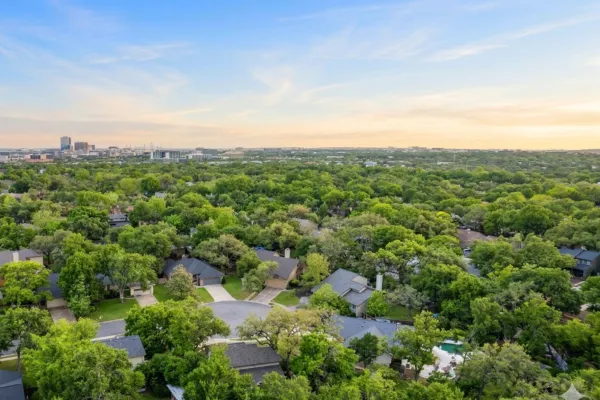
Milwood offers broad buyer appeal thanks to its established homes, practical location, and the fact that it gives buyers a lot of day-to-day functionality in a well-known North Austin corridor.
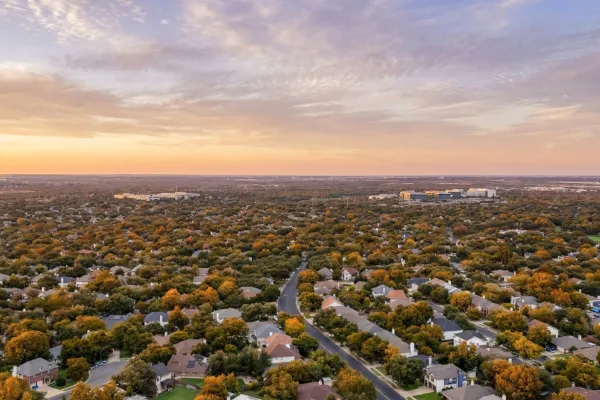
Hunters Chase can appeal to buyers who want a neighborhood that feels a little more tucked away while still benefiting from the broader convenience of this part of Northwest Austin.
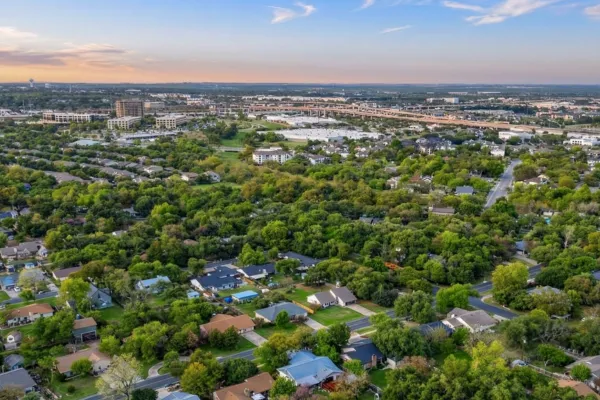
Forest North stands out for its established residential feel, mature surroundings, and a location that works well for buyers who want practical Northwest Austin livability.
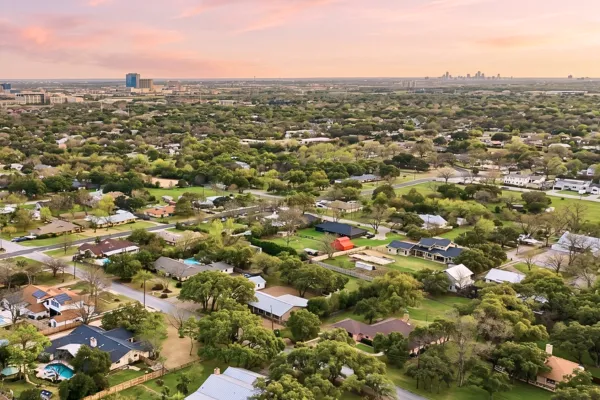
Angus Valley stands out for its established homes, mature trees, and a neighborhood feel that is a little less cookie-cutter than some of the surrounding North Austin options.
Helpful Reads Related to Northwest Austin East of 183
Looking for more context? These articles can help you better understand this part of Northwest Austin, nearby growth, and the tradeoffs between different North Austin areas.
Need Help Deciding if Northwest Austin East of 183 Is Right for You?
Choosing the right area is about more than price or square footage. It is also about neighborhood feel, convenience, commute patterns, parks, nearby amenities, and how a part of the city fits the way you actually want to live. If you want help comparing this corridor with hillier Northwest Austin neighborhoods, Cedar Park, Round Rock, or other Austin-area options, I’d be glad to help.
Frequently Asked Questions About Northwest Austin East of 183
What is Northwest Austin East of 183 known for?
This part of Northwest Austin is known for established neighborhoods, mature trees, practical livability, and strong access to major North Austin routes and destinations.
How is this area different from Northwest Austin west of 183?
Generally, this corridor feels more practical and less topography-driven. West of 183 often leans more toward hills, preserve adjacency, and a more scenic neighborhood feel, while east of 183 tends to win more on straightforward livability and daily convenience.
Does this area have good park and trail access?
Yes. Nearby outdoor anchors include Balcones District Park, Balcones Pool, and the Walnut Creek Regional Trail system, which Austin says will be approximately 20 miles when complete and has a trailhead at Balcones District Park.
What neighborhoods fit into this corridor?
Examples include Balcones Woods, Mesa Park, Milwood, Hunters Chase, and Forest North, along with other nearby pockets that share a similar location and neighborhood feel.
Is this a good fit for buyers comparing Austin with the suburbs?
For many buyers, yes. This corridor can be a strong option for people who want established Austin neighborhoods and practical North Austin access without moving farther out into newer suburban development.
Northwest Austin East of 183 Real Estate Market Snapshot
Q1 2026 Market Update
All Information Courtesy of UnlockMLS and subject to UnlockMLS copyrights
As of mid-April 2026, Northwest Austin east of 183 looks like a fairly balanced market with steady buyer activity but a smaller pool of listings and sales overall. Prices at the median are up from a year ago, homes are generally moving faster than in many of the broader Austin-area submarkets, and inventory remains manageable, but both new listings and closed sales are running below last year’s pace.
Price
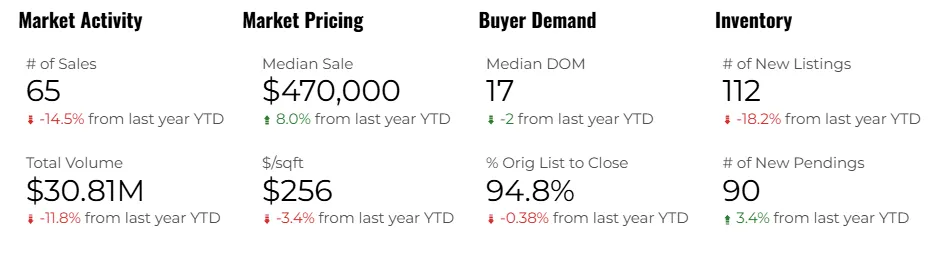
The year-to-date median sale price is $470,000, up 8.0% from the same time last year, while price per square foot is $256, down 3.4%. That combination suggests buyers are still supporting higher overall sale prices in this corridor, but they are not necessarily paying more on a price-per-square-foot basis across the board. In practical terms, values have held up, but buyers are still paying attention to condition, updates, and value.
Inventory
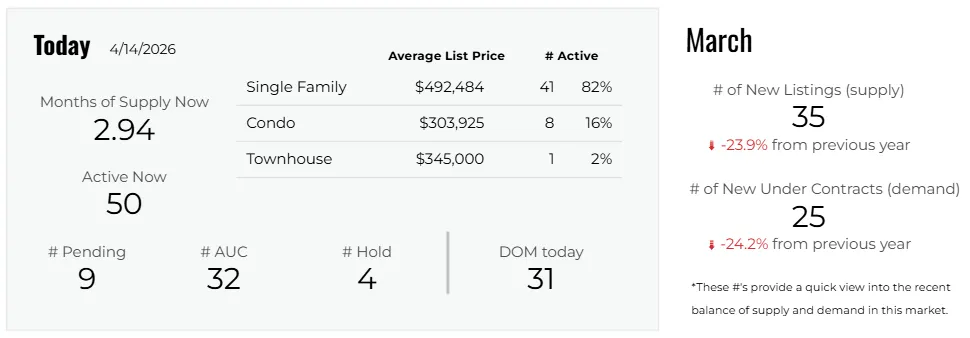
Inventory remains fairly reasonable. This area is sitting at 2.94 months of supply with 50 active listings as of April 14, 2026. March brought 35 new listings, down 23.9% from a year earlier, while year-to-date new listings are down 18.2% to 112. So while buyers do have options, this is still a relatively tight and limited-inventory corridor compared with larger surrounding submarkets.
Sales and Buyer Demand
Buyer demand is still present, but not accelerating. March new under contracts came in at 25, down 24.2% from the same month last year, though year-to-date new pendings are still up 3.4% to 90. Closed sales are down 14.5% year to date at 65, and total dollar volume is down 11.8% to $30.81 million. That points to a market where buyers are active enough to keep homes moving, but overall transaction volume is lighter than it was a year ago.
Days on Market and Market Pace
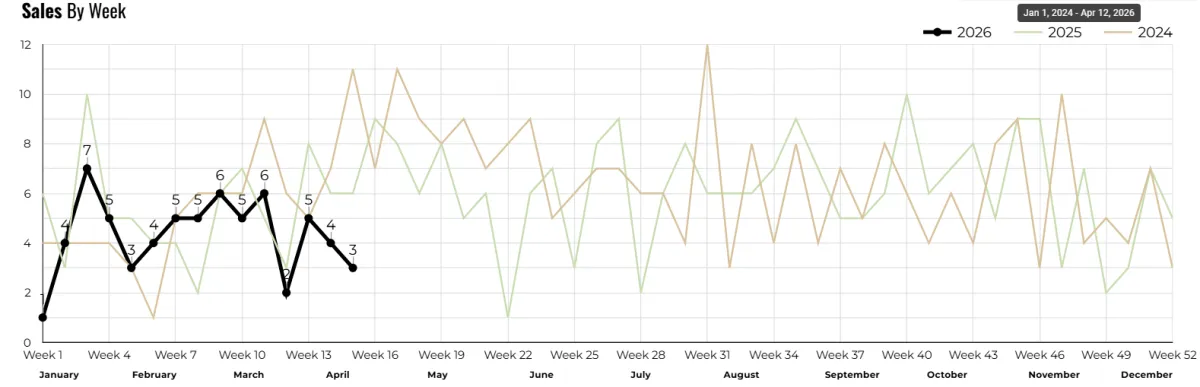
Homes here are still moving at a fairly healthy pace. Median days on market is 17, which is actually 2 days lower than last year, and current DOM is 31. The original list-to-close ratio is 94.8%, which tells us sellers are still capturing a solid share of their asking price even if most homes are not closing right at the original number. This is not a frenzied market, but it is still one where well-positioned homes can move without sitting too long.
What This Means for You
For buyers, this corridor offers a useful middle ground. Inventory is not overflowing, but homes are not disappearing instantly either, which gives buyers room to be thoughtful while still recognizing that the better listings can move. For sellers, this is a market where strong pricing and presentation still matter, but the lower inventory count can work in your favor if your home is well prepared and priced realistically. The biggest takeaway is that this area still looks relatively stable, even with lower overall listing and sales volume than last year.








Northwest Austin East of 183 Real Estate Market Snapshot
Q1 2026 Market Update
All Information Courtesy of UnlockMLS and subject to UnlockMLS copyrights
As of mid-April 2026, Northwest Austin east of 183 looks like a fairly balanced market with steady buyer activity but a smaller pool of listings and sales overall. Prices at the median are up from a year ago, homes are generally moving faster than in many of the broader Austin-area submarkets, and inventory remains manageable, but both new listings and closed sales are running below last year’s pace.
Price
The year-to-date median sale price is $470,000, up 8.0% from the same time last year, while price per square foot is $256, down 3.4%. That combination suggests buyers are still supporting higher overall sale prices in this corridor, but they are not necessarily paying more on a price-per-square-foot basis across the board. In practical terms, values have held up, but buyers are still paying attention to condition, updates, and value.
Inventory
Inventory remains fairly reasonable. This area is sitting at 2.94 months of supply with 50 active listings as of April 14, 2026. March brought 35 new listings, down 23.9% from a year earlier, while year-to-date new listings are down 18.2% to 112. So while buyers do have options, this is still a relatively tight and limited-inventory corridor compared with larger surrounding submarkets.
Sales and Buyer Demand
Buyer demand is still present, but not accelerating. March new under contracts came in at 25, down 24.2% from the same month last year, though year-to-date new pendings are still up 3.4% to 90. Closed sales are down 14.5% year to date at 65, and total dollar volume is down 11.8% to $30.81 million. That points to a market where buyers are active enough to keep homes moving, but overall transaction volume is lighter than it was a year ago.
Days on Market and Market Pace
Homes here are still moving at a fairly healthy pace. Median days on market is 17, which is actually 2 days lower than last year, and current DOM is 31. The original list-to-close ratio is 94.8%, which tells us sellers are still capturing a solid share of their asking price even if most homes are not closing right at the original number. This is not a frenzied market, but it is still one where well-positioned homes can move without sitting too long.
What This Means for You
For buyers, this corridor offers a useful middle ground. Inventory is not overflowing, but homes are not disappearing instantly either, which gives buyers room to be thoughtful while still recognizing that the better listings can move. For sellers, this is a market where strong pricing and presentation still matter, but the lower inventory count can work in your favor if your home is well prepared and priced realistically. The biggest takeaway is that this area still looks relatively stable, even with lower overall listing and sales volume than last year.









Get Local + National Market Updates
Want Monthly Market Updates? Delivered Right to Your Inbox
Each month, I break down what’s happening in Austin real estate - plus major national trends, interest rate shifts, and what it means for you.
It’s quick, actionable, and actually helpful.
JAMES BRINKMAN (BRINK)
Broker | Realtor | CNE | CRS | ABR | ePro
Homes By Brink @ AustinRealEstate.com
512-698-3525
Brink@HomesByBrink.com
James Brinkman | Broker Associate | Homes By Brink
3103 Bee Caves Rd STE 102, Rollingwood, TX 78746
(512) 698-3525
https://thinkbrink.realestate
Homes by Brink | Copyright © 2025 | All Rights Reserved
Privacy Policy l Terms & Condition|Disclosure



Homes By Brink
Homes by Brink | Copyright © 2025 | All Rights Reserved
Privacy Policy l Terms & Condition|Disclosure