


Forest North Neighborhood Guide
Living in Forest North,
Northwest Austin East of 183
Explore homes, neighborhood character, location, and local insight to help you decide whether Forest North is the right fit for you.
Why People Consider Forest North
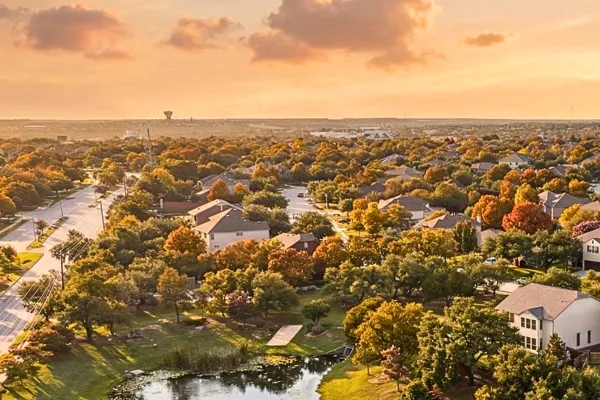
Forest North tends to appeal to buyers who want a Northwest Austin neighborhood that feels established, practical, and easy to live in. It often makes sense for people who want a residential setting with mature surroundings and a day-to-day feel that is more grounded than flashy. For many buyers, the draw is that it feels comfortable, familiar, and straightforward in a way that fits real life well.
This is the kind of neighborhood that often works for buyers who prioritize usability over spectacle. Forest North fits the broader Northwest Austin East of 183 story well: established homes, approachable neighborhood character, and a location pattern that makes sense for people who want to stay in North Austin without needing a more prestige-driven or custom-home setting.
Forest North at a Glance
Location
Forest North sits in Northwest Austin East of 183 in an established residential pocket that appeals to buyers who want North Austin convenience with a more old-school neighborhood feel.
Known For
Larger lots, more varied homes, mature trees, and a neighborhood character that feels less planned and more individual.
Housing Style
Forest North is known for established single-family homes, generally built earlier than many nearby neighborhoods, with a wider range of square footage and noticeably more variation from house to house.
Lifestyle
The lifestyle here tends to feel more relaxed, more spacious, and a little less uniform, especially for buyers who value privacy, lot size, and a less tightly controlled neighborhood look.
Neighborhood Feel
This part of Northwest Austin East of 183 tends to feel more open, more mature, and less cookie-cutter than many surrounding neighborhoods.
Best For
Buyers who want an established Northwest Austin neighborhood with larger lots, more home-to-home variation, and a more organic residential feel.
Who Forest North May Be a
Good Fit For
Forest North tends to appeal to buyers who want a Northwest Austin neighborhood that feels more spacious, more established, and less uniform than a typical planned subdivision.
Buyers who want larger lots and more breathing room between homes
People who prefer neighborhood character over uniformity and do not need everything to feel tightly planned
Buyers looking for more variation in home styles and floorplans rather than repeating builder patterns
Households who want established Northwest Austin access with a more relaxed residential feel
People comparing Forest North with Hunters Chase, Milwood, or Angus Valley and trying to decide how much lot size and uniqueness matter to them
Buyers who value individuality and space over a more cohesive or highly planned streetscape
Homes and Neighborhood Character in Forest North
A More Spacious, Less Uniform
Neighborhood Pattern
One of the biggest differences in Forest North is the lot pattern and overall neighborhood layout. Compared with more consistently planned subdivisions nearby, Forest North tends to feel looser and more spacious. The lots are generally larger, the streetscape feels less standardized, and the homes show more variation in both design and size. That creates a neighborhood experience that often feels more individual and less repetitive.
Older Housing Stock with More Range and Personality
Forest North was largely built earlier than Hunters Chase and nearby neighborhoods, and that shows up in the housing product. The square footage range is broader, the homes tend to feel less builder-repeat in style, and there is often more visual difference from one property to the next. For some buyers, that is a major plus. Rather than wanting a neighborhood that feels neatly coordinated, they want one that feels established, a little more natural, and less predictable.
The lack of curbs also contributes to the overall look and feel. It gives parts of Forest North a more old-school suburban character that can feel less polished to some buyers and more authentic to others. That difference matters. Buyers drawn to Forest North are often not looking for maximum consistency. They are looking for space, individuality, and a neighborhood that does not feel overly manufactured.
What Stands Out
Larger average lot sizes than many nearby neighborhoods
More variation in home size and floorplan
Less repetition in builder plans
A more open, less tightly planned streetscape
A neighborhood identity built around space, maturity, and individuality
Lifestyle and Location Advantages
Forest North can be a strong fit for buyers who want North Austin convenience but do not want a neighborhood that feels too uniform or too compressed. The larger lots and more varied housing stock can create a more relaxed residential feel, especially for buyers who care about outdoor space, a little more separation between homes, or simply a neighborhood that feels less formulaic.
For many buyers, that is the appeal. Forest North is not really about polished sameness. It is about having a more established Northwest Austin setting with room to breathe and a little more personality. Buyers who like neighborhoods with quirks, variety, and a less manicured feel often respond well to it.
Things to Consider About
Forest North
Buyers who prefer a more cohesive, planned neighborhood feel may lean toward Hunters Chase
The older housing stock means updates, maintenance level, and condition can vary more from one property to another
The less uniform streetscape will appeal strongly to some buyers and not at all to others
No-curb streets and the more organic neighborhood pattern can feel less polished than nearby subdivisions
Buyers should verify school assignments and neighborhood-boundary assumptions by exact address
Who Forest North May Be a Good Fit For
Forest North tends to appeal to buyers who want a Northwest Austin neighborhood that feels more spacious, more established, and less uniform than a typical planned subdivision.
Buyers who want larger lots and more breathing room between homes
People who prefer neighborhood character over uniformity and do not need everything to feel tightly planned
Buyers looking for more variation in home styles and floorplans rather than repeating builder patterns
Households who want established Northwest Austin access with a more relaxed residential feel
People comparing Forest North with Hunters Chase, Milwood, or Angus Valley and trying to decide how much lot size and uniqueness matter to them
Buyers who value individuality and space over a more cohesive or highly planned streetscape
Homes and Neighborhood Character in Forest North
A More Spacious, Less Uniform Neighborhood Pattern
One of the biggest differences in Forest North is the lot pattern and overall neighborhood layout. Compared with more consistently planned subdivisions nearby, Forest North tends to feel looser and more spacious. The lots are generally larger, the streetscape feels less standardized, and the homes show more variation in both design and size. That creates a neighborhood experience that often feels more individual and less repetitive.
Older Housing Stock with More Range and Personality
Forest North was largely built earlier than Hunters Chase and surrounding neighborhoods, and that shows up in the housing product. The square footage range is broader, the homes tend to feel less builder-repeat in style, and there is often more visual difference from one property to the next. For some buyers, that is a major plus. Rather than wanting a neighborhood that feels neatly coordinated, they want one that feels established, a little more natural, and less predictable.
The lack of curbs also contributes to the overall look and feel. It gives parts of Forest North a more old-school suburban character that can feel less polished to some buyers and more authentic to others. That difference matters. Buyers drawn to Forest North are often not looking for maximum consistency. They are looking for space, individuality, and a neighborhood that does not feel overly manufactured.
What Stands Out
Larger average lot sizes than many nearby neighborhoods
More variation in home size and floorplan
Less repetition in builder plans
A more open, less tightly planned streetscape
A neighborhood identity built around space, maturity, and individuality
Lifestyle and Location Advantages
Forest North can be a strong fit for buyers who want North Austin convenience but do not want a neighborhood that feels too uniform or too compressed. The larger lots and more varied housing stock can create a more relaxed residential feel, especially for buyers who care about outdoor space, a little more separation between homes, or simply a neighborhood that feels less formulaic.
For many buyers, that is the appeal. Forest North is not really about polished sameness. It is about having a more established Northwest Austin setting with room to breathe and a little more personality. Buyers who like neighborhoods with quirks, variety, and a less manicured feel often respond well to it.
Things to Consider About Forest North
Buyers who prefer a more cohesive, planned neighborhood feel may lean toward Hunters Chase
The older housing stock means updates, maintenance level, and condition can vary more from one property to another
The less uniform streetscape will appeal strongly to some buyers and not at all to others
No-curb streets and the more organic neighborhood pattern can feel less polished than nearby subdivisions
Buyers should verify school assignments and neighborhood-boundary assumptions by exact address
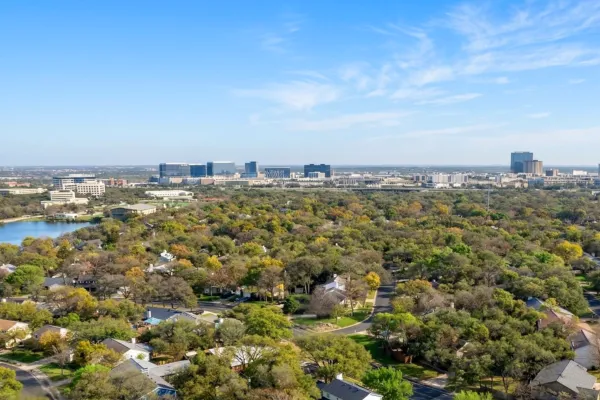
Known for its established homes, mature trees, and practical location, Balcones Woods appeals to buyers who want a grounded Northwest Austin neighborhood with strong day-to-day convenience.
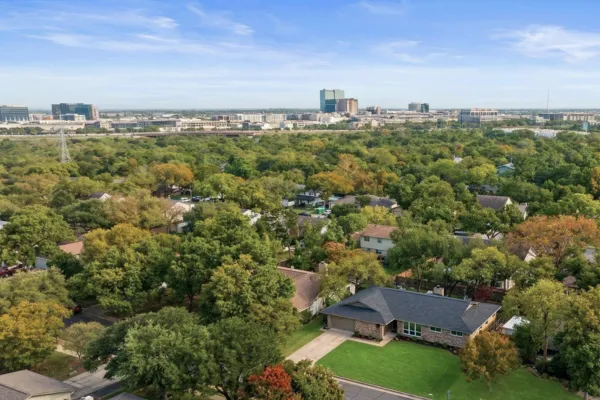
Mesa Park tends to appeal to buyers who want an established residential setting with Northwest Austin access and a straightforward, livable neighborhood feel.
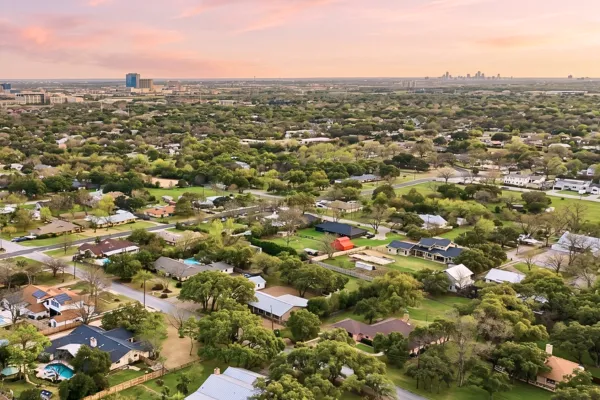
Angus Valley stands out for its established homes, mature trees, and a neighborhood feel that is a little less cookie-cutter than some of the surrounding North Austin options.
Related Reads and Nearby Areas
Looking for more context? These pages can help you compare Forest North with other parts of Northwest Austin and the broader north Austin area.
Need Help Deciding if Forest North Is the Right Fit?
Choosing the right neighborhood is about more than square footage or price. It is also about feel, convenience, daily livability, and how a neighborhood fits the way you actually want to live. If you want help comparing Forest North with other Northwest Austin neighborhoods, I’d be glad to help.
Frequently Asked Questions About Forest North
What is Forest North known for?
Forest North is known for its larger lots, more varied homes, mature setting, and a neighborhood feel that is less uniform than many nearby subdivisions.
Who tends to like Forest North most?
It often appeals to buyers who want more lot space, more home-to-home variation, and a Northwest Austin neighborhood that feels more individual and less tightly planned.
How is Hunters Chase different from Milwood?
Forest North often stands out for its larger lots and more relaxed neighborhood pattern, while Milwood may appeal differently depending on section, location, and the specific housing mix a buyer is targeting.
How is Hunters Chase different from Forest North?
Forest North generally has larger lots, older homes, more variation in floorplans, and a less uniform streetscape. Hunters Chase tends to feel more cohesive, more planned, and more consistent in the housing product.
Is Forest North a good option for buyers comparing Northwest Austin neighborhoods?
For many buyers, yes. It can be a strong option for people who want Northwest Austin access with more space, more individuality, and a neighborhood that feels less cookie-cutter.








Get Local + National Market Updates
Want Monthly Market Updates? Delivered Right to Your Inbox
Each month, I break down what’s happening in Austin real estate - plus major national trends, interest rate shifts, and what it means for you.
It’s quick, actionable, and actually helpful.
JAMES BRINKMAN (BRINK)
Broker | Realtor | CNE | CRS | ABR | ePro
Homes By Brink @ AustinRealEstate.com
512-698-3525
Brink@HomesByBrink.com
James Brinkman | Broker Associate | Homes By Brink
3103 Bee Caves Rd STE 102, Rollingwood, TX 78746
(512) 698-3525
https://thinkbrink.realestate
Homes by Brink | Copyright © 2025 | All Rights Reserved
Privacy Policy l Terms & Condition|Disclosure



Homes By Brink
Homes by Brink | Copyright © 2025 | All Rights Reserved
Privacy Policy l Terms & Condition|Disclosure