


Great Hills Neighborhood Guide
Living in Great Hills, Northwest Austin
Explore homes, neighborhood character, location, and local insight to help you decide whether Great Hills is the right fit for you.
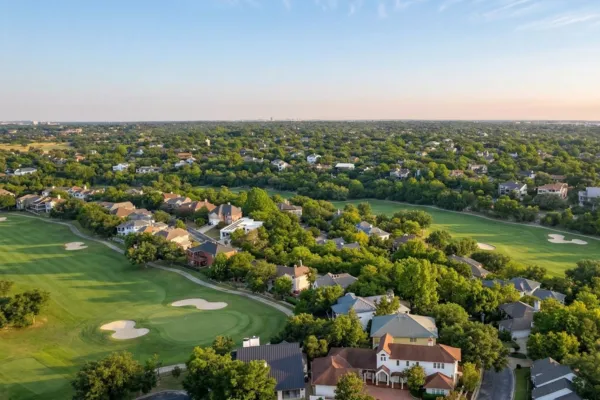
Why People Consider Great Hills
Great Hills tends to appeal to buyers who want a Northwest Austin neighborhood with a stronger sense of topography, mature surroundings, and practical access to major North Austin destinations. For many people, the draw is the combination of established homes, hillier terrain, and a location that feels connected to the Arboretum area while still offering a more residential neighborhood setting.
It also benefits from meaningful nearby outdoor access. Austin’s park directory lists Great Hills Neighborhood Park at approximately 86.54 acres, which helps reinforce the greener, more open feel that many buyers associate with this part of Northwest Austin. The area’s connection to the Arboretum at Great Hills and the broader Bull Creek watershed also helps explain why Great Hills feels both convenient and more naturally shaped than flatter, more uniform parts of the city.
Great Hills a Glance
Location
Great Hills sits in a highly convenient part of Northwest Austin near the Arboretum area, with practical access to major North Austin destinations and regional routes.
Known For
Hillier topography, established homes, mature trees, and a Northwest Austin feel that blends residential character with strong convenience.
Housing Style
Great Hills is generally associated with established single-family homes and a neighborhood feel shaped by terrain and varied streetscapes.
Lifestyle
The lifestyle here tends to feel residential, practical, and a little more scenic than flatter parts of North Austin, especially for buyers who value trees, elevation, and nearby amenities.
Outdoor Access
Great Hills Neighborhood Park is listed by the City of Austin at about 86.54 acres, adding a meaningful outdoor anchor to the area.
Best For
Buyers who want Northwest Austin convenience, established neighborhood character, and a setting with more topographic interest than many nearby areas.
Who Great Hills May Be a
Good Fit For
Great Hills tends to appeal to buyers who want a neighborhood that feels both convenient and distinctly Northwest Austin.
Buyers who want an established neighborhood with mature trees and more character
People drawn to hillier streets, varied topography, and a more scenic residential feel
Buyers who value practical access to the Arboretum and surrounding North Austin destinations
Households who want parks and outdoor access nearby
People comparing Great Hills with Anderson Mill, Northwest Hills, or other Northwest Austin pockets
Buyers who want Austin convenience without a more urban-core lifestyle
Homes and Neighborhood Character in Great Hills
A More Topography-Driven Neighborhood Feel
One of the things that makes Great Hills stand out is that it does not feel flat or interchangeable. Elevation changes, curving streets, and mature landscaping all help create a neighborhood identity that feels more shaped by the land than by a master-planned template. For buyers who want a stronger sense of place, that can be a real advantage.
Convenience Tied to the Arboretum Area
Great Hills also works well for buyers who want location efficiency. City materials referencing the Arboretum at Great Hills retail center and nearby Loop 360 / Arboretum Boulevard context help explain why this area remains attractive to buyers who want shopping, dining, and broader North Austin access close by without living in a more overtly commercial setting.
What Stands Out
Hillier terrain and more varied streetscapes
Established homes and mature trees
Strong Northwest Austin identity
Practical access to the Arboretum area
Nearby park access through Great Hills Neighborhood Park
Lifestyle and Location Advantages
Great Hills can be a strong fit for buyers who want the feel of Northwest Austin without giving up everyday convenience. The area’s proximity to the Arboretum and broader North Austin retail and dining nodes makes daily life easier, while Great Hills Neighborhood Park helps preserve a greener, more residential feel.
For many buyers, that combination is the appeal: established homes, stronger neighborhood character, more natural topography, and practical access to places they actually use. It is a different proposition than a flatter master-planned community or a denser urban neighborhood, and for the right buyer that difference is exactly the point.
Things to Consider About Great Hills
Homes in established neighborhoods can vary more in condition, updates, and layout
Hillier terrain can be a plus for some buyers and a drawback for others
Micro-location matters, especially for street feel, elevation, and access patterns
Buyers should verify school assignments by exact address
When comparing Great Hills with flatter or newer neighborhoods, the tradeoff is often topography and character versus newer-home feel
Who Great Hills May Be a Good Fit For
Great Hills tends to appeal to buyers who want a neighborhood that feels both convenient and distinctly Northwest Austin.
Buyers who want an established neighborhood with mature trees and more character
People drawn to hillier streets, varied topography, and a more scenic residential feel
Buyers who value practical access to the Arboretum and surrounding North Austin destinations
Households who want parks and outdoor access nearby
People comparing Great Hills with Anderson Mill, Northwest Hills, or other Northwest Austin pockets
Buyers who want Austin convenience without a more urban-core lifestyle
Homes and Neighborhood Character in Great Hills
A More Topography-Driven Neighborhood Feel
One of the things that makes Great Hills stand out is that it does not feel flat or interchangeable. Elevation changes, curving streets, and mature landscaping all help create a neighborhood identity that feels more shaped by the land than by a master-planned template. For buyers who want a stronger sense of place, that can be a real advantage.
Convenience Tied to the Arboretum Area
Great Hills also works well for buyers who want location efficiency. City materials referencing the Arboretum at Great Hills retail center and nearby Loop 360 / Arboretum Boulevard context help explain why this area remains attractive to buyers who want shopping, dining, and broader North Austin access close by without living in a more overtly commercial setting.
What Stands Out
Hillier terrain and more varied streetscapes
Established homes and mature trees
Strong Northwest Austin identity
Practical access to the Arboretum area
Nearby park access through Great Hills Neighborhood Park
Lifestyle and Location Advantages
Great Hills can be a strong fit for buyers who want the feel of Northwest Austin without giving up everyday convenience. The area’s proximity to the Arboretum and broader North Austin retail and dining nodes makes daily life easier, while Great Hills Neighborhood Park helps preserve a greener, more residential feel.
For many buyers, that combination is the appeal: established homes, stronger neighborhood character, more natural topography, and practical access to places they actually use. It is a different proposition than a flatter master-planned community or a denser urban neighborhood, and for the right buyer that difference is exactly the point.
Things to Consider About Great Hills
Homes in established neighborhoods can vary more in condition, updates, and layout
Hillier terrain can be a plus for some buyers and a drawback for others
Micro-location matters, especially for street feel, elevation, and access patterns
Buyers should verify school assignments by exact address
When comparing Great Hills with flatter or newer neighborhoods, the tradeoff is often topography and character versus newer-home feel
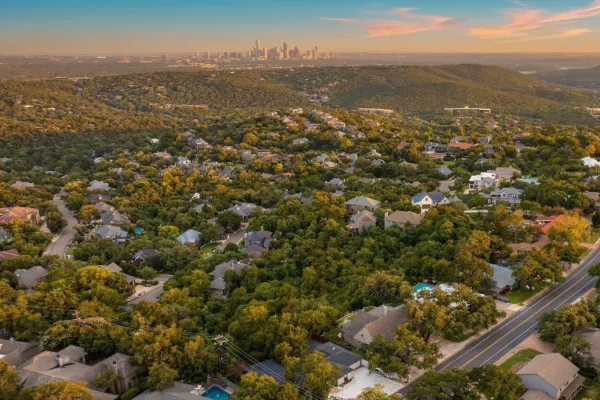
Known for scenic streets, established homes, and one of the more recognizable neighborhood identities in this part of Austin, Northwest Hills offers a classic Northwest Austin feel.
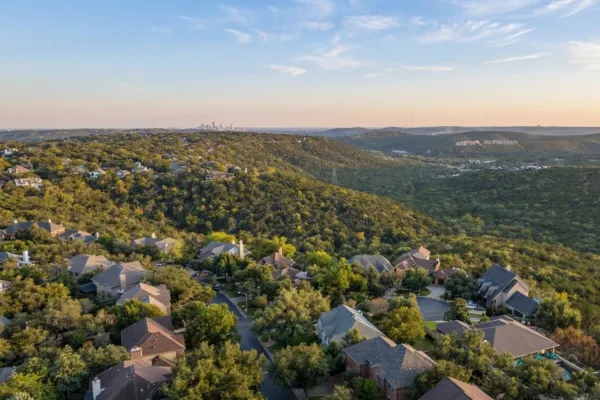
Known for its hillier setting, scenic streets, and established neighborhood feel, Jester Estates appeals to buyers who want a more tucked-away Northwest Austin environment without giving up practical city access.
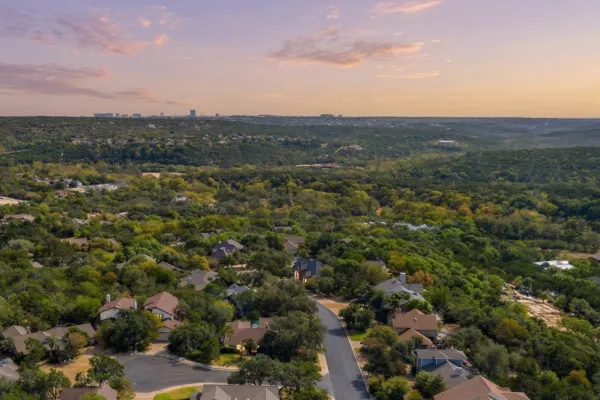
These nearby Northwest Austin areas offer a strong mix of character, topography, and established neighborhood appeal, especially for buyers who want an Austin feel close to major amenities.
Related Reads and Nearby Areas
Looking for more context? These pages can help you compare Great Hills with other parts of Northwest Austin and the broader north Austin area.
Need Help Deciding if Great Hills Is the Right Fit?
Choosing the right neighborhood is about more than square footage or price. It is also about feel, topography, location, convenience, and how a neighborhood fits the way you actually want to live. If you want help comparing Great Hills with other Northwest Austin neighborhoods, I’d be glad to help.
Frequently Asked Questions About Great Hills
What is Great Hills known for?
Great Hills is known for its hillier topography, established homes, mature trees, and a Northwest Austin location near the Arboretum area.
Does Great Hills have outdoor access nearby?
Yes. Great Hills Neighborhood Park is a major nearby outdoor anchor, and the area also sits within the broader Bull Creek watershed.
Is Great Hills more scenic than some other Northwest Austin neighborhoods?
For many buyers, yes. Great Hills often stands out for elevation changes, mature landscaping, and a stronger sense of topographic variation.
Who tends to like Great Hills most?
It often appeals to buyers who want established Northwest Austin neighborhood character with practical access to the Arboretum and surrounding North Austin destinations.
How is Great Hills different from Northwest Hills?
Northwest Hills often feels more like a classic, established neighborhood destination in its own right, while Great Hills tends to blend topography and neighborhood character with stronger Arboretum-area convenience. For many buyers, the difference comes down to classic residential identity versus a more location-driven Northwest Austin option.








Get Local + National Market Updates
Want Monthly Market Updates? Delivered Right to Your Inbox
Each month, I break down what’s happening in Austin real estate - plus major national trends, interest rate shifts, and what it means for you.
It’s quick, actionable, and actually helpful.
JAMES BRINKMAN (BRINK)
Broker | Realtor | CNE | CRS | ABR | ePro
Homes By Brink @ AustinRealEstate.com
512-698-3525
Brink@HomesByBrink.com
James Brinkman | Broker Associate | Homes By Brink
3103 Bee Caves Rd STE 102, Rollingwood, TX 78746
(512) 698-3525
https://thinkbrink.realestate
Homes by Brink | Copyright © 2025 | All Rights Reserved
Privacy Policy l Terms & Condition|Disclosure



Homes By Brink
Homes by Brink | Copyright © 2025 | All Rights Reserved
Privacy Policy l Terms & Condition|Disclosure